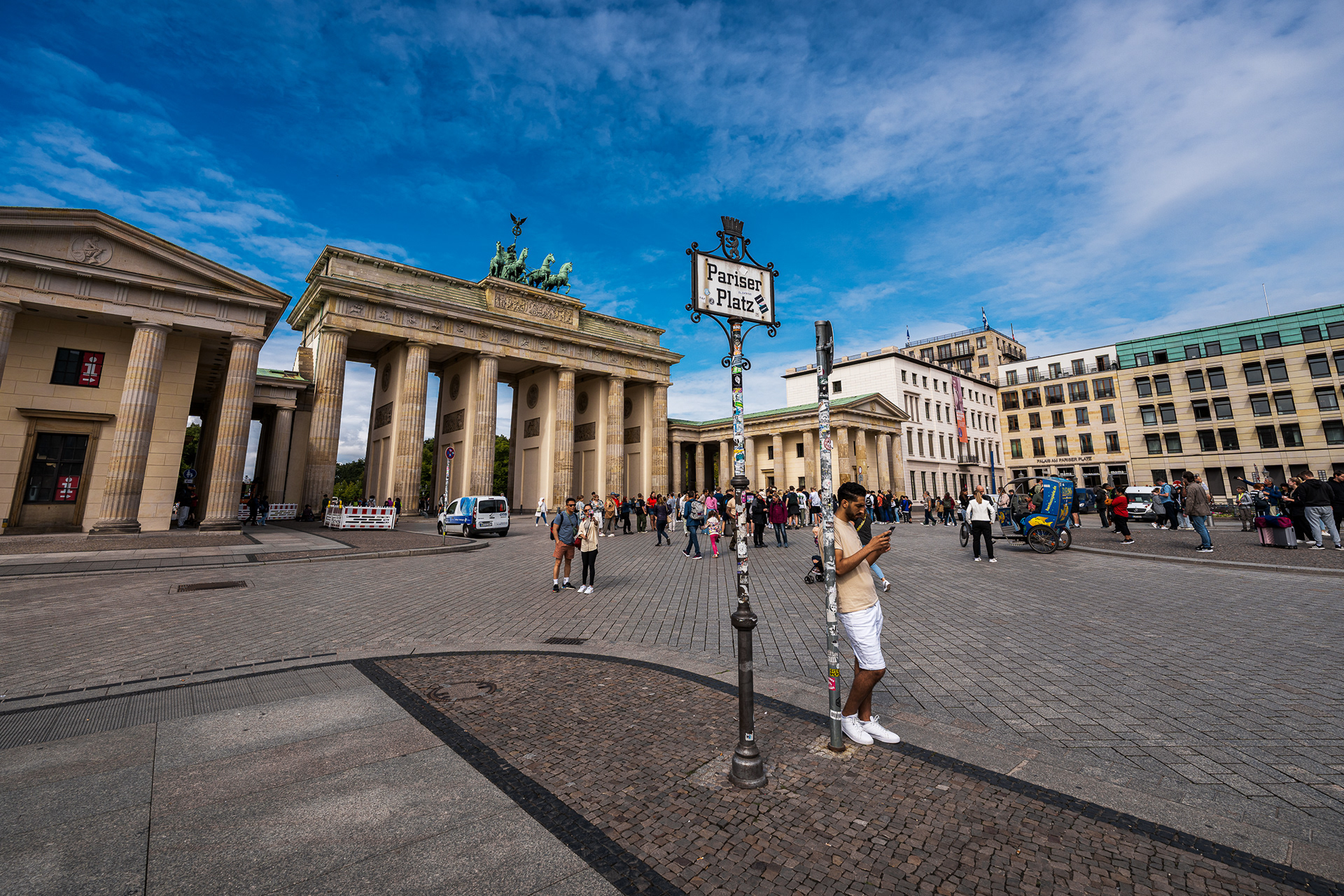
The Witness. Standing at Pariser Platz, the Brandenburg Gate is no longer just a monument; it is a survivor. Captured here under shifting clouds, the sandstone glows with the weight of history—from Napoleon to the Cold War, and finally, to reunification.
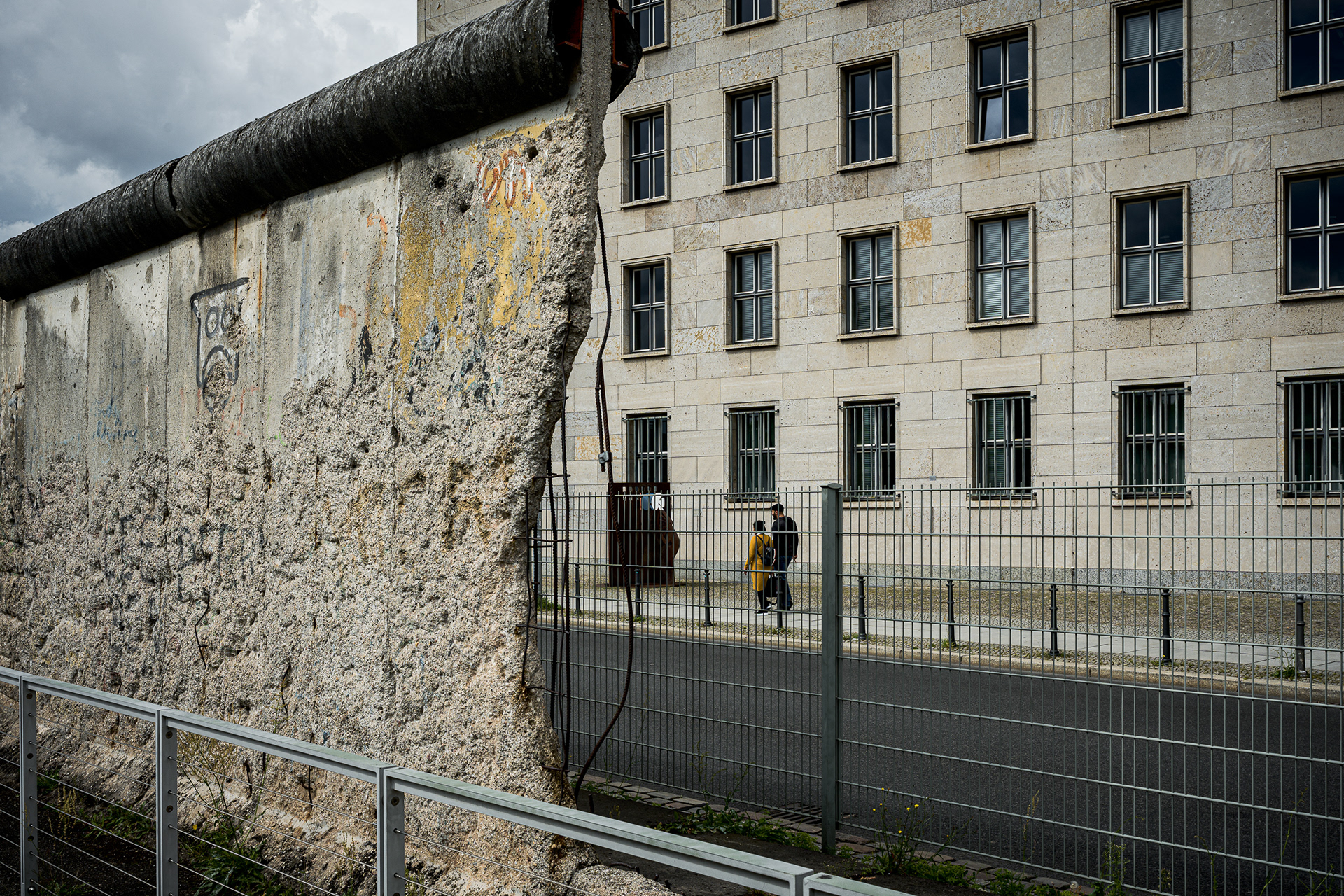
The Texture. To understand the city, you must touch the concrete. This section of the Wall stands as a brutal tactile reminder of the division. The pedestrian in yellow offers a fleeting moment of vibrant life against the scarred, permanent silence of the stone.
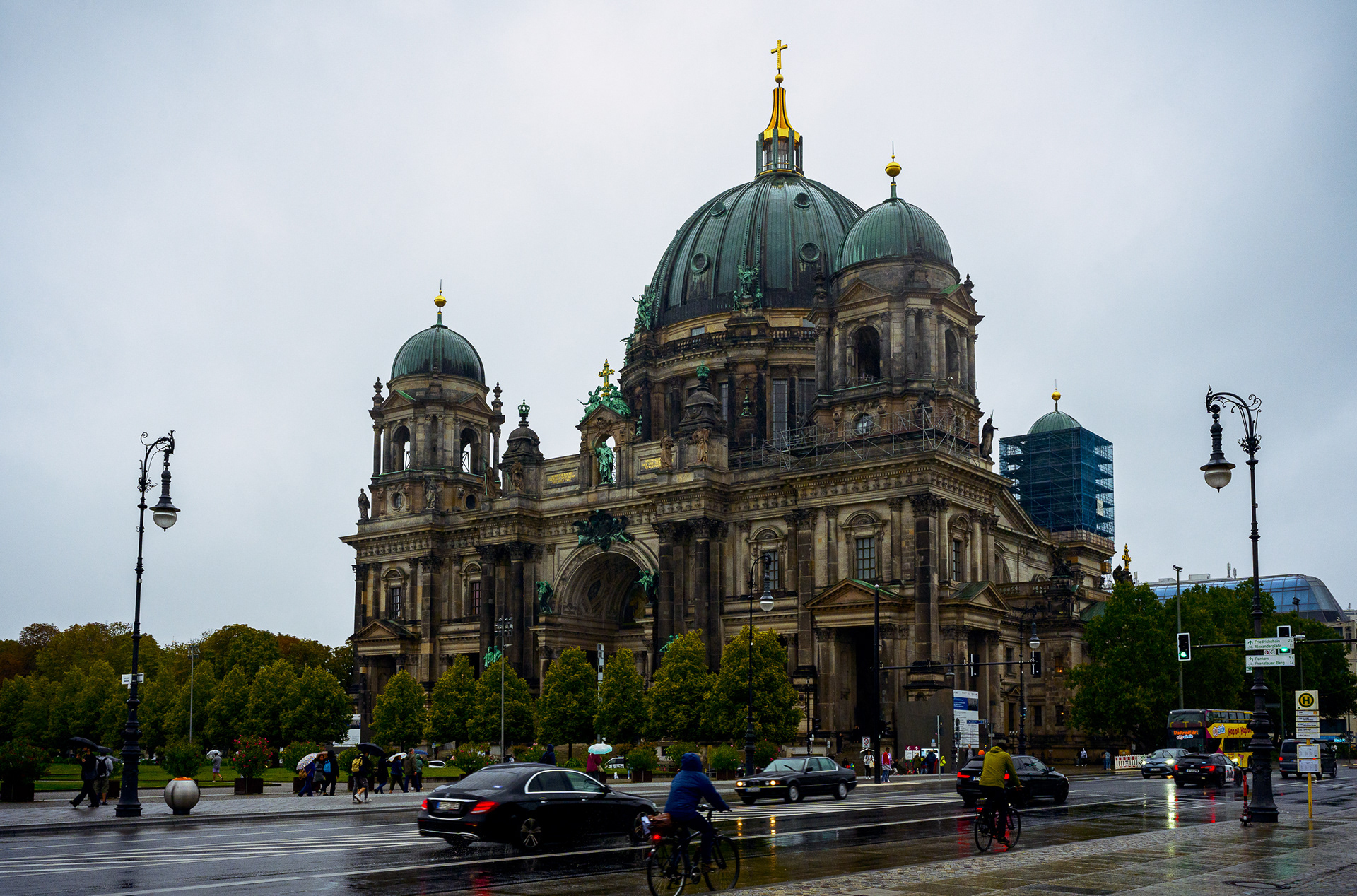
The Reflection. When the rain falls on Museum Island, the city turns inward. The wet pavement transforms into a dark mirror, reflecting the Prussian grandeur of the Berliner Dom and blurring the line between the solid ground and the liquid past.
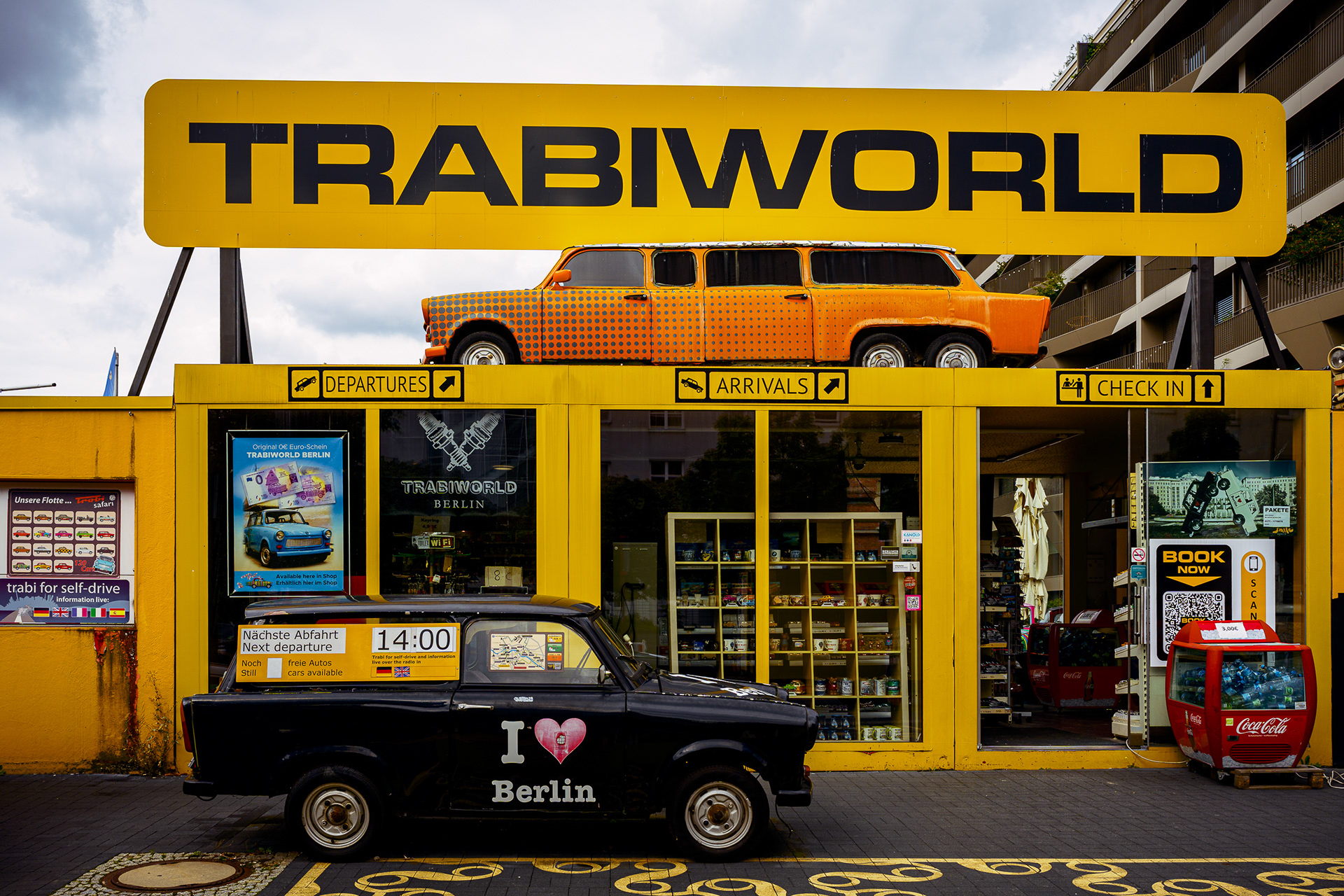
Ostalgie. The Trabant—once the plastic symbol of East German stagnation—has been resurrected as a pop-art icon. Painted in "Leica M9" vivid color, this yellow Trabi represents the complex nostalgia for the East, bridging the gap between a grey past and a commercial present.
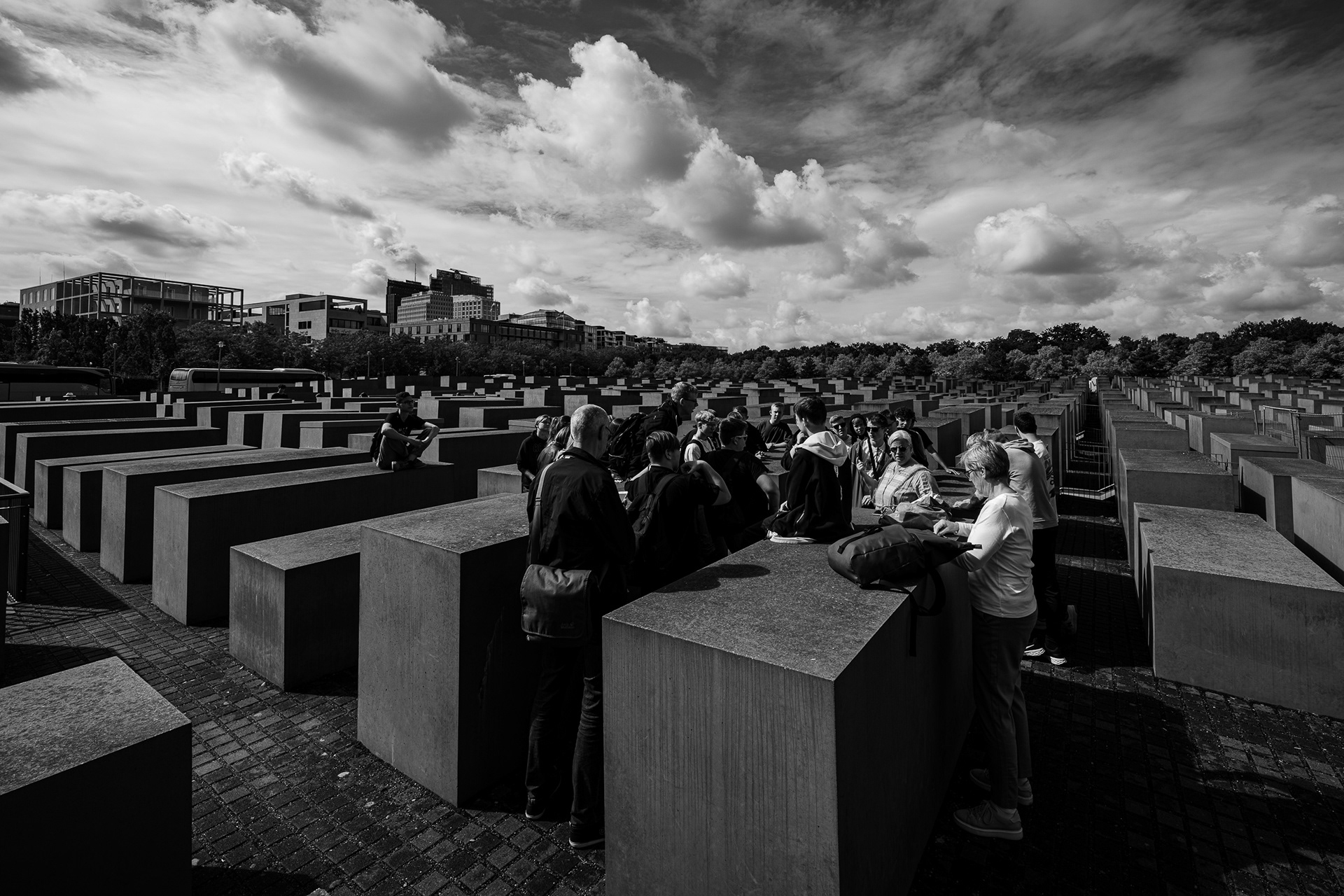
The Scale. The Memorial to the Murdered Jews of Europe is not a distant relic; it is a living part of the city. In monochrome, the distraction of color fades, leaving only the human figures resting against the crushing geometry of the void.
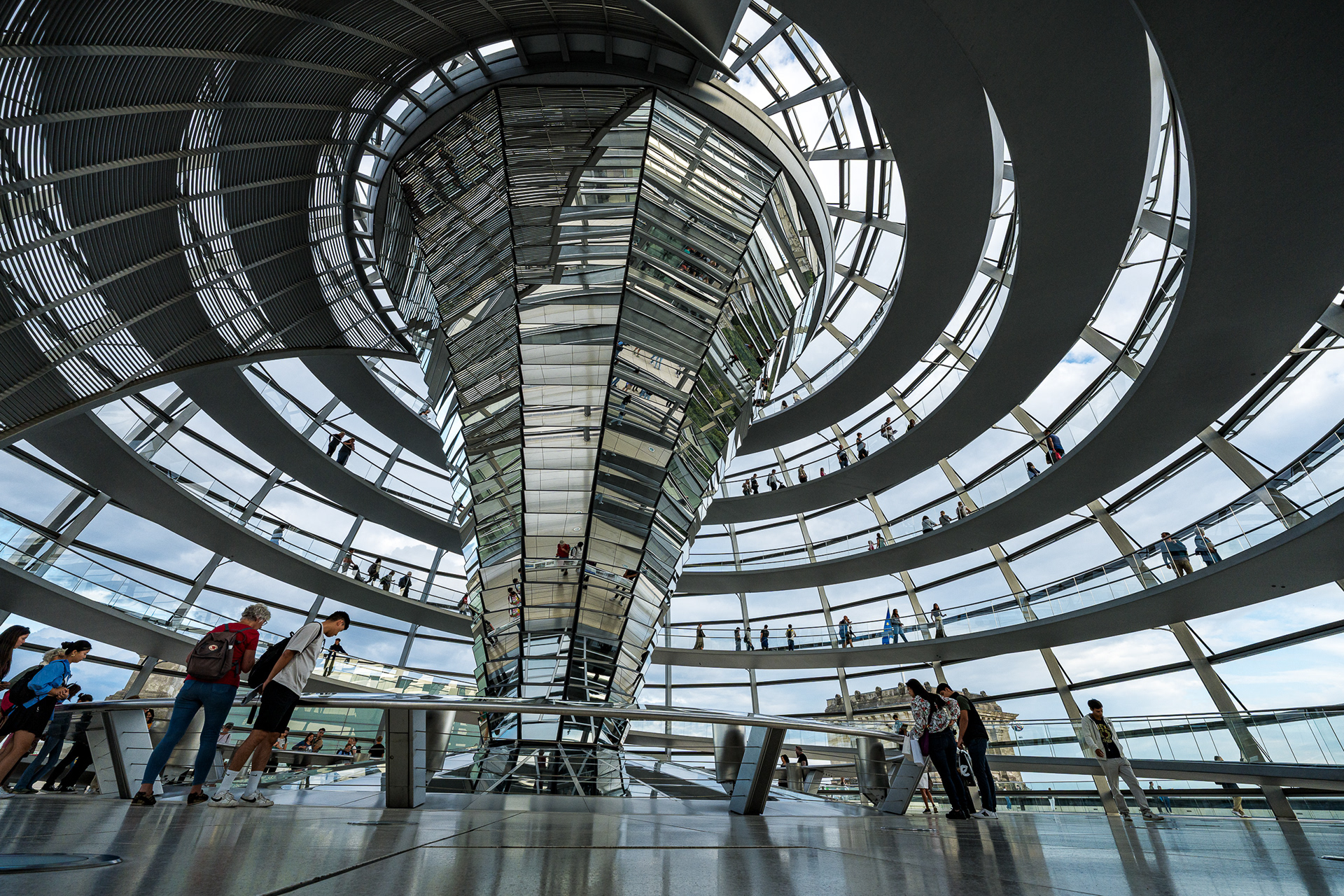
The Transparency. From the darkness of the earth to the light of the sky. The glass dome of the Reichstag symbolizes the modern promise of Germany: that the people are above the government, and that democracy must be transparent, open, and flooded with light.
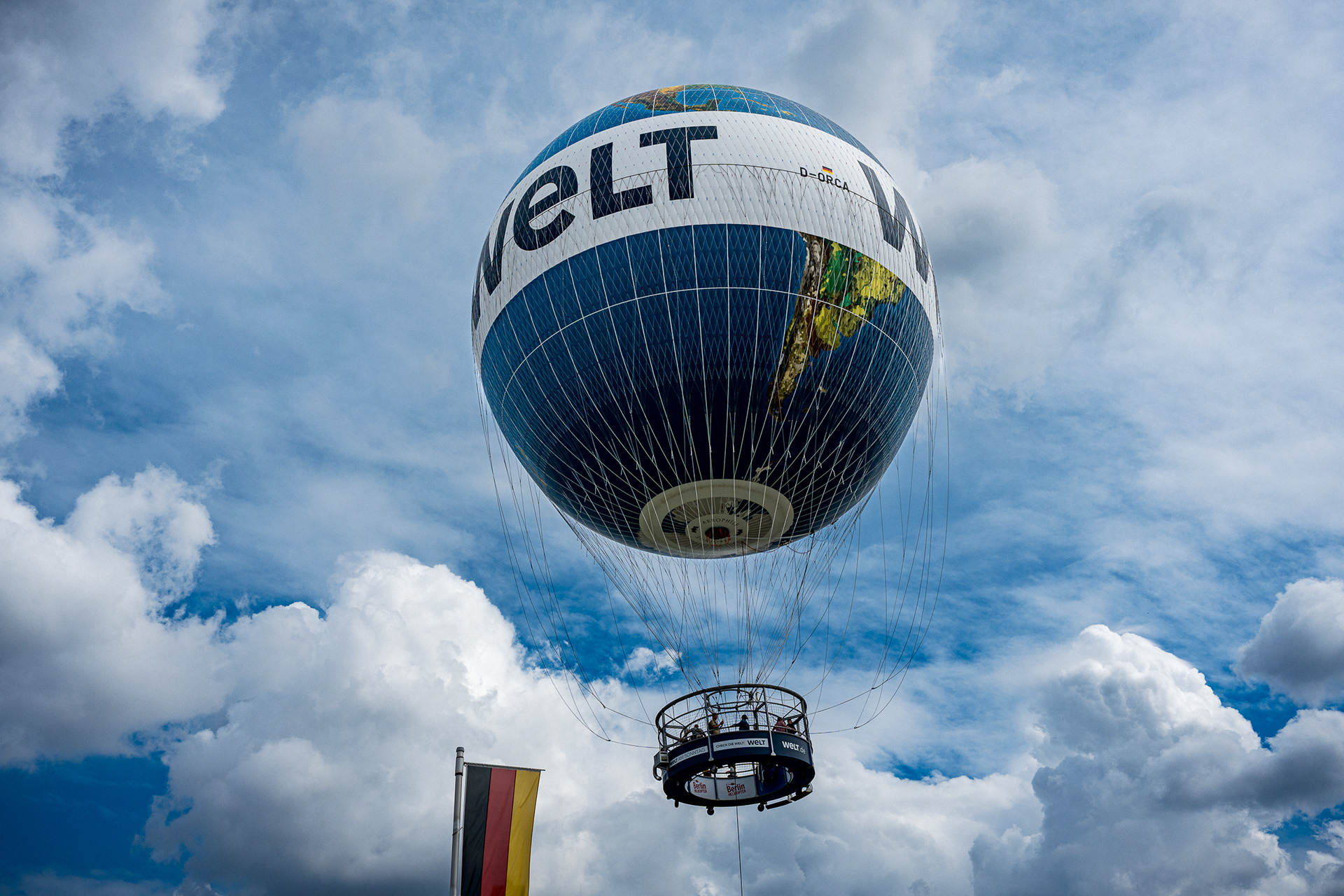
The Horizon. Berlin is a city of ghosts and cranes, always becoming something new. From the heavy stone of the gate to the transparency of the dome, the journey ends here: looking up. The horizon is no longer divided.
Merging the adrenaline of high-performance sports with the timeless beauty of global travel. A former Fujifilm X-Photographer applying a rigorous technical mindset to the Sony Alpha system.