Leica Tones on Sony: A Cobalt Image Technical Review
VOLUME 2: TONAL ARCHITECTURE
THE SOUL OF MONOCHROME
Great monochrome photography is far more than the absence of color; it is a structural art form defined by spectral density, micro-contrast, and the emotional weight of shadows. While color provides context, black and white reveals the "bone" of the image—the raw architecture of light that exists beneath the surface.
For the modern documentarian, the challenge is not just "making a photo grey." It is about reclaiming the tactile, three-dimensional soul of a silver-halide print from the clinical precision of a modern digital sensor. Standard desaturation often results in "muddy" mid-tones and a loss of visual friction.
In this second volume of the HDR Bridge, we move beyond the "Sony Baseline" to explore the Monochrome Protocol. By utilizing a linear Cobalt Neutral base and a surgical HSL-100 saturation sweep, we treat the 14-bit RAW data of the Sony A1 and A7CR as a block of marble to be carved by luminosity.
THE MODERNIST FIDELITY — We explore the Leica M10 Monochrom emulation, a study in clinical perfection and smooth tonal transitions that define the modern era of high-fidelity B&W.
THE HERITAGE GRIT — We contrast this with the Leica Monochrom CCD emulation, recreating the visceral, "inky" blacks and high-energy micro-contrast of the legendary M9-era monochrome sensor.
This is the Architecture of Light. It is a quest for the organic in a digital world—proof that the clinical perfection of Sony hardware can indeed achieve the legendary soul of the Leica Monochrom system.

THE MONOCHROME PROTOCOL: THE SCIENCE OF SHADOW
To achieve a true "Monochrom" aesthetic on a digital sensor, we must move beyond simple desaturation. Most standard B&W conversions result in "muddy" mid-tones because they fail to manage the underlying color luminance. In this series, I utilize a surgical workflow known as the HSL-100 Protocol.
THE LINEAR BASE — Every image begins with the Cobalt Neutral linear profile. This "neutralizes" the Sony sensor’s hardware opinion, providing a flat, high-latitude canvas that preserves the full 14-bit tonal range of the A1 and A7CR.
SPECTRAL DENSITY — By manually setting all eight HSL Saturation sliders to -100, we preserve the mathematical integrity of the light. This allows us to "sculpt" the image by adjusting the luminance of individual color channels—mimicking the effect of traditional glass lens filters (Red, Yellow, Orange) used in silver-halide photography.
MICRO-CONTRAST — The goal is "3D Pop" without digital "crunch." By utilizing the specific tonal curves of the Leica M10 and CCD Monochrom emulations, we achieve a sophisticated highlight roll-off and inky shadow density that avoids the brittle artifacts of standard digital sharpening.
——————————————————————————————————————————————
DEFINING THE HDR BRIDGE: SENSOR TRANSLATION
To understand the results in this series, one must understand the HDR Bridge—the proprietary workflow utilized to synthesize modern technical performance with timeless aesthetic soul. It is built on three pillars:
— THE HARDWARE (High-Dynamic-Range): We utilize the massive 14-bit RAW data floor of Sony’s BSI sensors (A1, A7CR, A7 IV). This provides the "Raw Material" of light and shadow.
— THE TRANSLATION (The Bridge): Standard manufacturer profiles often "choke" this data with pre-baked contrast. We use Cobalt Image Linear Profiles as the bridge—establishing a neutral, high-latitude baseline that preserves the full integrity of the sensor’s dynamic range.
— THE SOUL (The Aesthetic): Once the data is neutralized, we apply Leica Monochrom emulations. Because we work from a linear base, we achieve the organic highlight roll-off and "inky" density of the Leica system without sacrificing the resolution of the Sony hardware.
——————————————————————————————————————————————
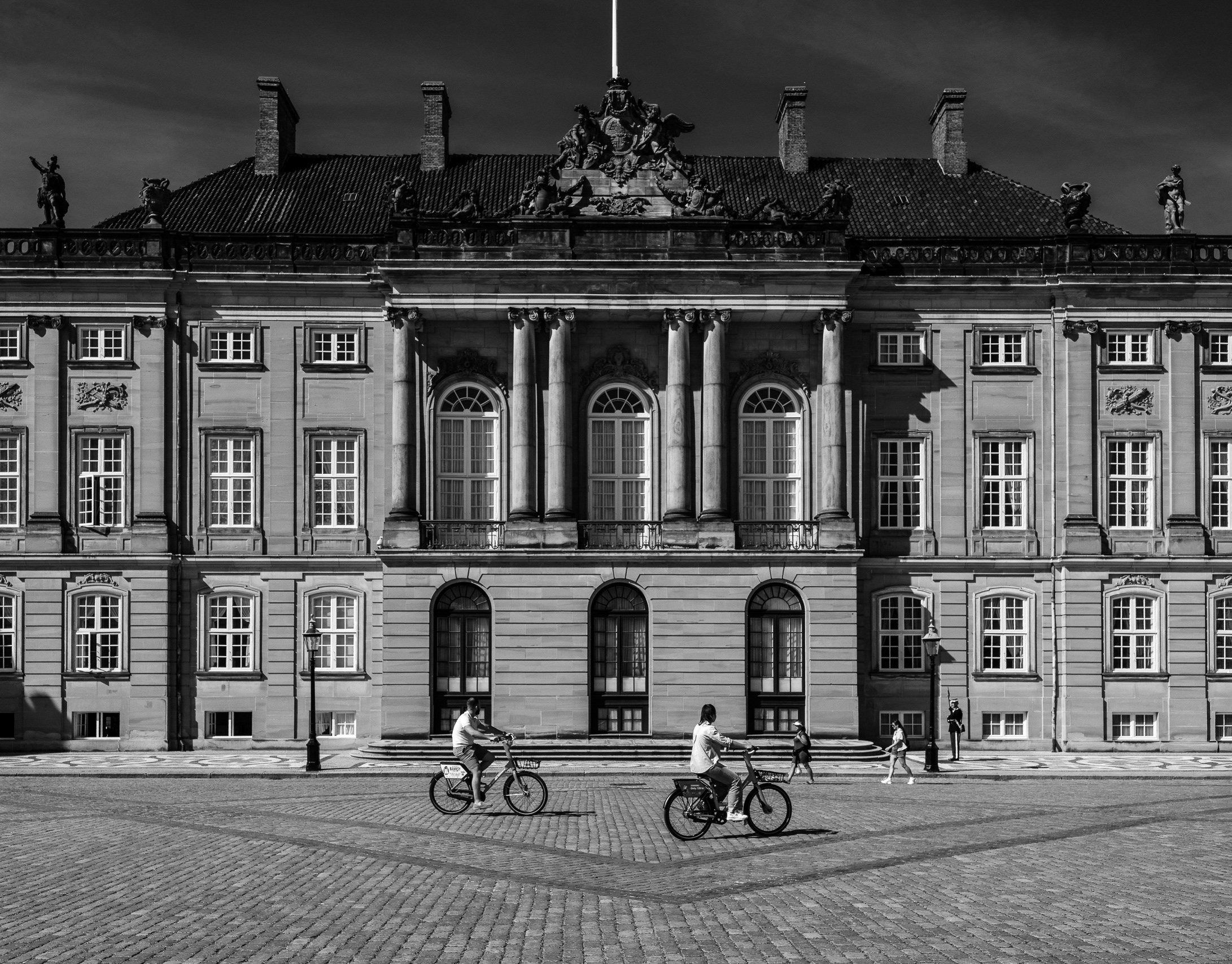
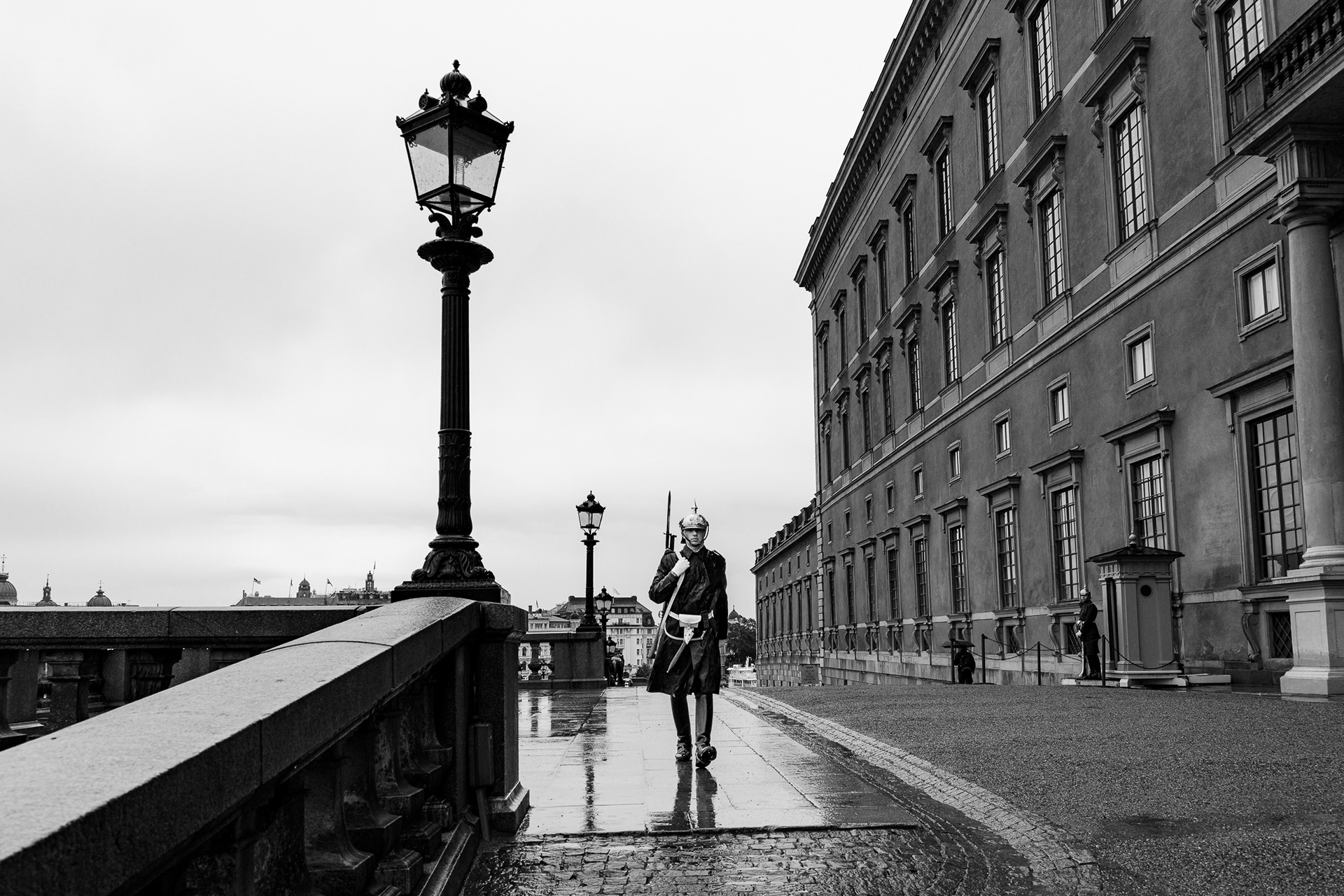
A high-contrast black and white street photo of a royal guard walking past the Stockholm Palace, processed with Leica M10 Monochrom emulation on a Sony A1 to emphasize specular highlights on wet pavement.

MODERNIST PRECISION — A study in the architecture of light. By utilizing the Leica M10 Monochrom protocol, the rainy overcast of Stockholm is transformed from flat grey into a high-fidelity monochrome masterpiece. The "specular pop" on the wet cobblestones creates a rhythmic leading line, guiding the eye to the guardsman’s decisive stride.
CASE STUDY 01: THE MODERNIST MONOLITH
THE CHALLENGE — Rainy, overcast light in European capitals typically results in a "compressed" tonal range.[1] The sky becomes a flat white box, and stone architecture turns into an undifferentiated grey "mud," robbing the scene of depth and drama.
THE SOLUTION — This study utilizes the Modernist Protocol: The Leica M10 Monochrom (M10r BW) emulation on a Cobalt Neutral linear base. By bypassing standard digital B&W presets, we reclaimed the "Architecture of Light."
— WHITES EXPANSION — Pushing the Whites (+42) transformed the wet pavement into a specular leading line, guiding the eye directly to the guardsman’s stride.
— BLACK DENSITY — Setting a deep Black Anchor (-38) provided the necessary visual "ink," giving the uniform and the lamppost a tactile, filmic weight.
— OPTICAL GLOW — By utilizing negative Clarity (-5), we introduced a subtle "bloom" to the highlights, simulating the rendering of high-end Leica Summicron optics on the Sony A1 sensor.
EXIF — Sony A7CR | 28mm | f/2.8 | 1/250s | ISO 250
Processed with Cobalt Image Tonal Architecture Workflow.
——————————————————————————————————————————————
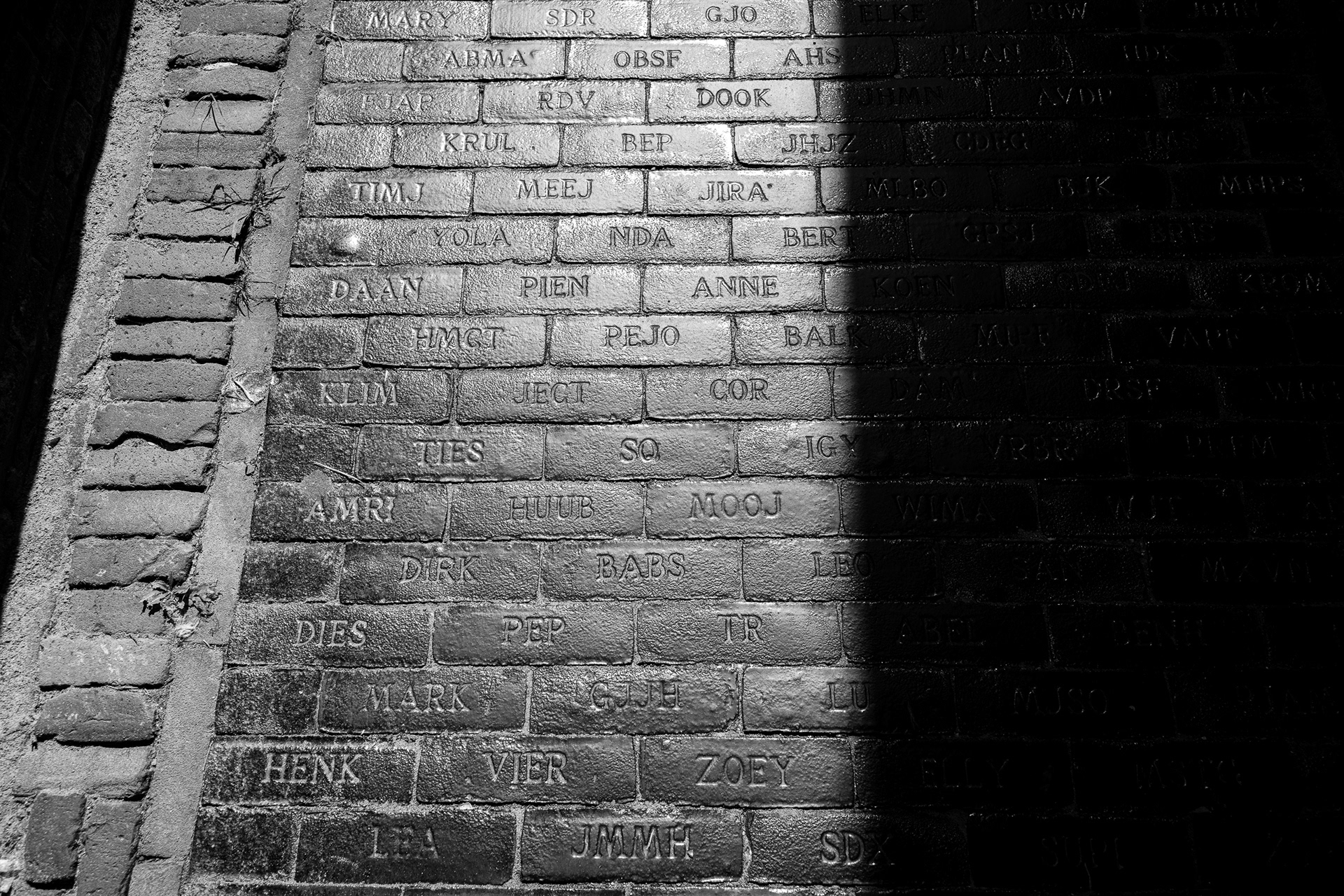
A high-contrast black and white architectural study of engraved names on cobblestones, showing deep inky shadows and tactile stone textures achieved with a Sony A7CR and Leica Monochrom CCD emulation.

THE ARCHITECTURE OF MEMORY — Reclaiming the visceral soul of the early digital era. This frame leverages the Leica Monochrom CCD emulation to achieve "inky" shadow density along a sharp diagonal fracture. The result is a tactile, "crunchy" rendering of the engraved names—Mark, Zoey, and Henk—that feels physically carved into the stone.
CASE STUDY 02: THE HERITAGE PROTOCOL — THE ARCHITECTURE OF MEMORY
THE CHALLENGE — High-contrast sunlight on textured surfaces typically produces a "brittle" digital image. The goal was to manage the extreme tonal jump of the diagonal shadow while emphasizing the tactile, carved nature of the memorial engravings.
THE SOLUTION — This study utilizes the Heritage Protocol: The Leica Monochrom CCD emulation on a Cobalt Neutral base. This approach prioritizes "tonal friction" over clinical smoothness.
— THE CCD GLOW — By re-mapping the Sony A7CR’s CMOS data to the older CCD color matrix, we achieved an organic "thicker" rendering. The highlights on the stone edges possess a film-like glow rather than digital glare.
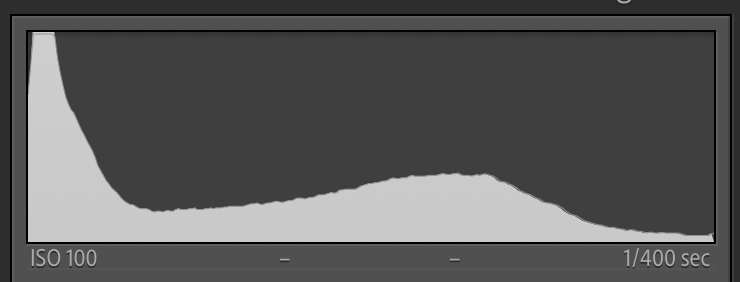
— INKY BLACKS — The deep shadow on the right serves as a structural anchor. By setting a heavy Black Point (-40), we achieved the high-density "ink" characteristic of the original 2012 Leica Monochrom sensor.
— TACTILE RECOVERY — The combination of negative Clarity and high Texture ensures the engravings feel three-dimensional. The names (Mark, Zoey, Henk) are rendered with a visceral, raw quality that creates a physical connection to the subject.
EXIF — Sony A7CR | 28mm | f/8 | 1/320s | ISO 100
Processed with Cobalt Image Heritage CCD Workflow.
——————————————————————————————————————————————
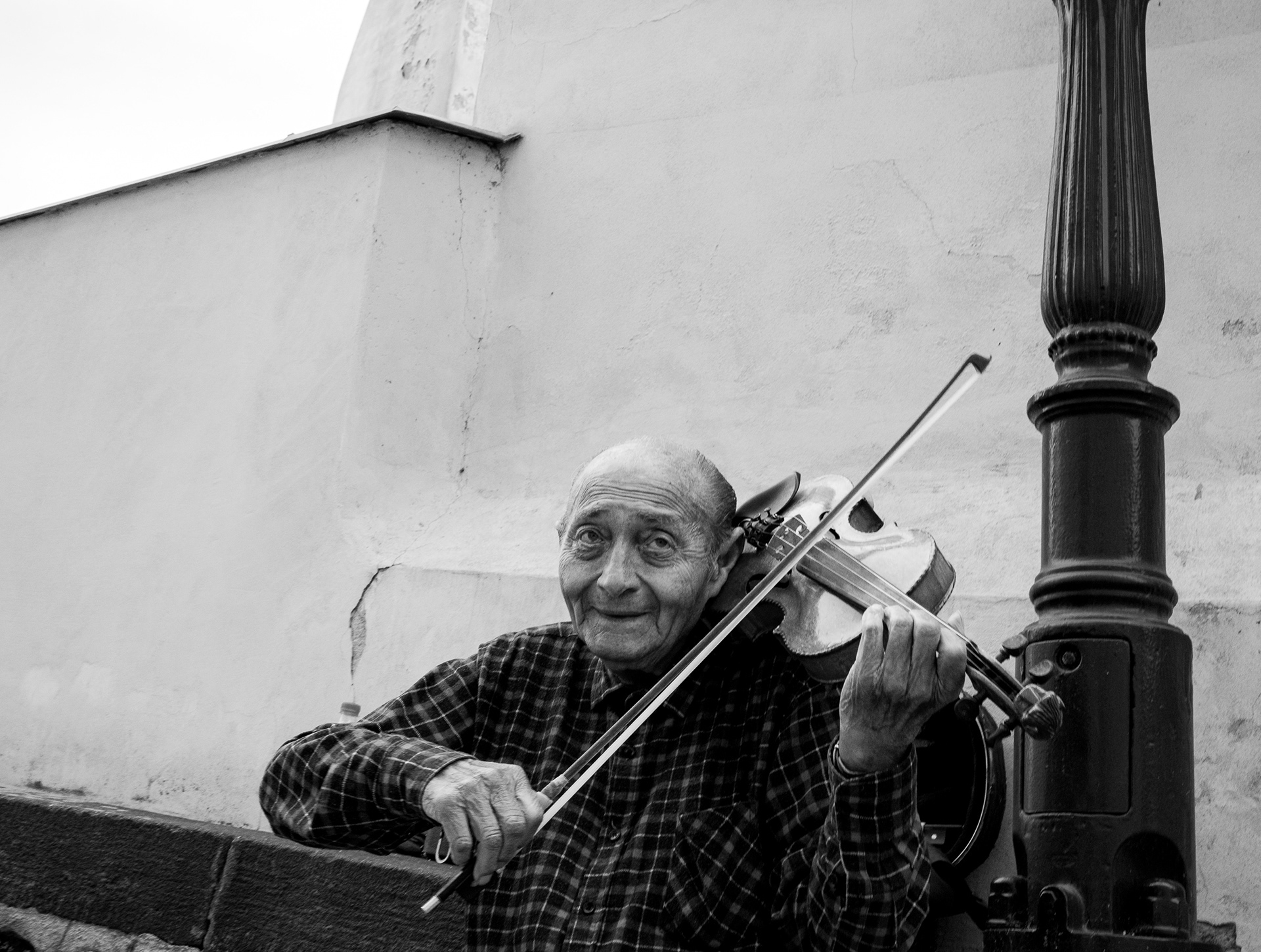
A 4:5 black and white street portrait of an elderly violinist, captured on a Sony A1 with Leica Monochrom CCD Yellow Filter emulation for radiant skin tones and high-key spectral luminance.

HUMAN LUMINANCE — Sculpting the human architecture of a street portrait. Using the Yellow Filter Protocol, we lightened the spectral response of the skin to create an "illuminated-from-within" radiance. By cropping to a 4:5 documentary ratio, we removed modern distractions, focusing the narrative entirely on the weathered character of the musician’s face and hands.
CASE STUDY 03: SPECTRAL LUMINANCE — THE SOUL IN THE STONE
THE CHALLENGE — Street portraits captured in flat, overcast light often suffer from "Tonal Compression." Without a directional light source, the subject’s features merge into the background, resulting in a muddy, low-energy image that fails to capture the "radiance" of the human character.
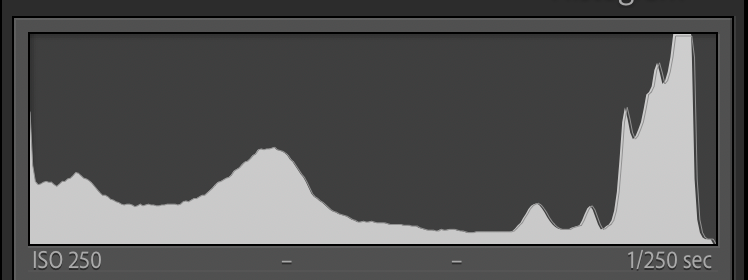
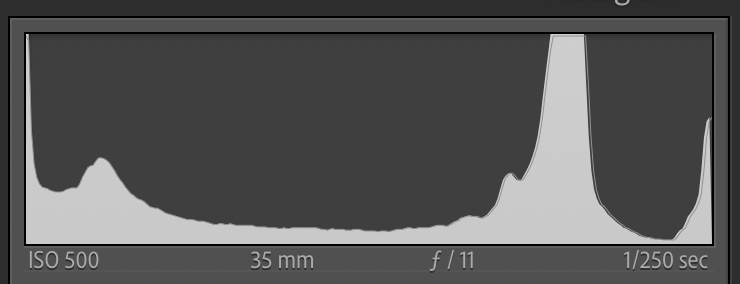
THE SOLUTION — This study utilizes the Spectral Luminance Protocol. By bypassing the underexposed RAW baseline with a high-key Luminance Lift (+1.45) on the Cobalt Neutral base, we moved the subject into the luminous range of the 14-bit histogram.
— SPECTRAL RADIANCE — Through the Leica Monochrom CCD Yellow Filter emulation, we applied a surgical Orange Luminance (+38) boost. This "sculpted" the violinist’s face with light, creating an organic, silver-halide glow that emulates a studio spotlight in a natural street environment.
— INKY ANCHORS — To ground the high-key background, we maintained an aggressive Black Point (-48). This ensures that the structural elements—the lamppost and the shirt’s dark patterns—provide the necessary visual "ink" to prevent digital wash-out.
— THE TRINITY CROP — A transition to a 4:5 documentary aspect ratio removed modern distractions (plastic water bottles) and "dead space," focusing the visual tension entirely on the interaction between the hands, the instrument, and the expression.
— TECHNICAL POLISH — To finalize the "Monochrom Soul," we utilized High-Masking Sharpening (85) to define the weathered skin while leaving the background wall buttery-smooth. A subtle Highlight-Priority Vignette (-12) was added to center the visual energy invisibly.
EXIF — Sony A1 | 35mm | f/11 | 1/250s | ISO 500
Processed with Cobalt Image Spectral Control & 4:5 Documentary Crop.
——————————————————————————————————————————————
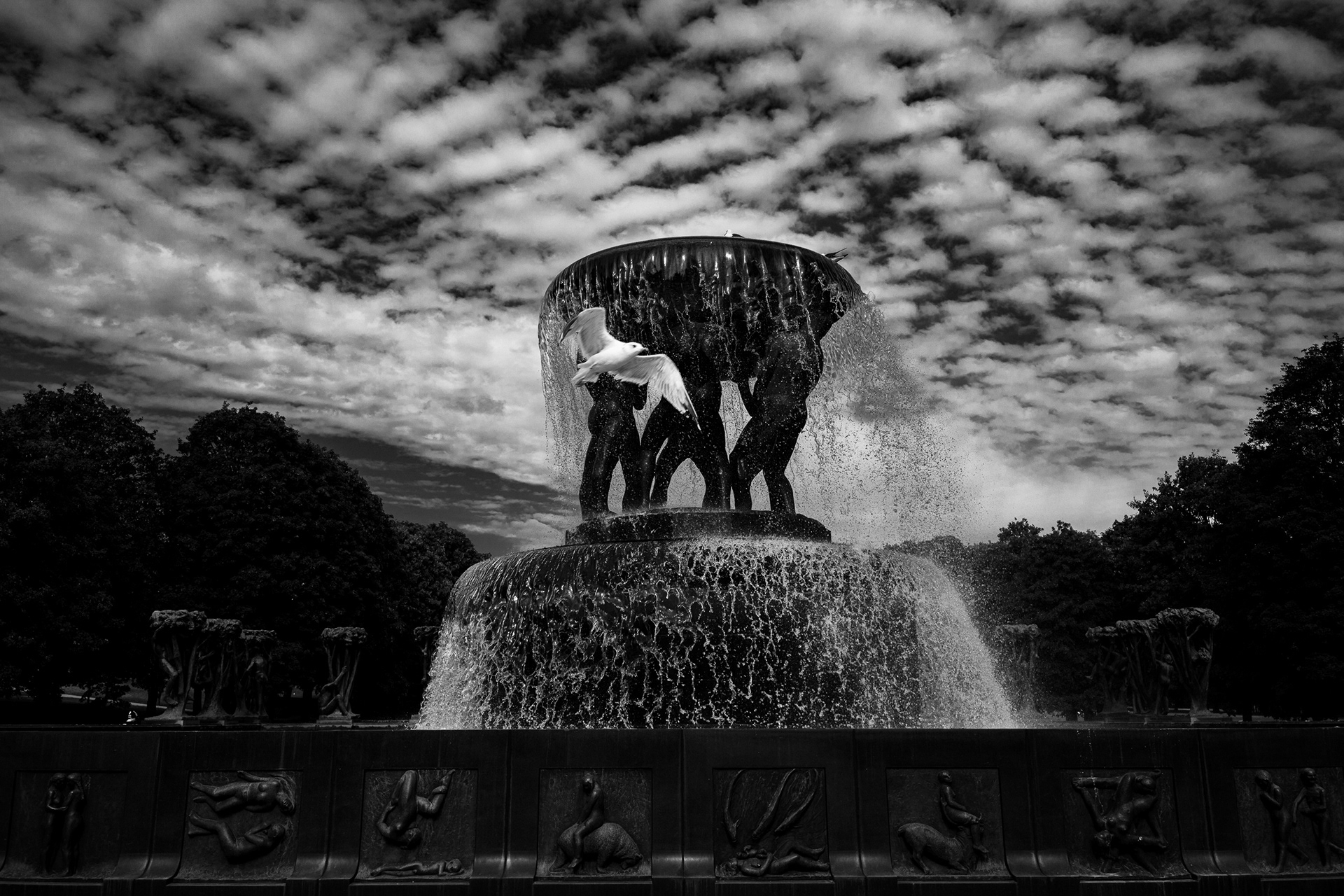
A dramatic 61MP black and white landscape of the Vigeland Fountain, captured on a Sony A7CR with Voigtlander 28mm glass and Leica Red Filter emulation.

The Inky Zenith: Leveraging the Red Filter protocol and manual Voigtlander optics to sculpt a high-contrast architectural masterpiece.
Case Study 04: The Red Filter Protocol — The Inky Zenith
THE CHALLENGE — High-noon landscapes in northern latitudes often suffer from "Spectral Flatness." The blue sky and white clouds tend to merge into a clinical, low-contrast digital rendering. The goal was to reclaim the dramatic "Inky Zenith" aesthetic of 20th-century landscape masters, utilizing the massive 61-megapixel resolution of the A7CR.
THE SOLUTION — This landscape utilizes the Red Filter Protocol via the Leica Monochrom CCD emulation on a Cobalt Neutral linear base. By surgically re-mapping the blue channel's luminance, the sky is transformed into a structural element.
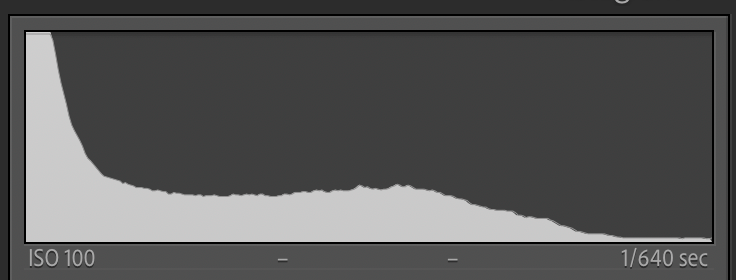
— SPECTRAL SKY SCULPTING — Utilizing a heavy Blue Luminance drop (-45), we created an inky, high-contrast backdrop. This allows the rhythmic "fish-scale" cloud patterns to pop with three-dimensional volume, fully leveraging the A7CR's high-resolution sensor.
— THE DECISIVE HIGHLIGHT — The Red Filter effect provides a dark canvas for the mid-tone elements. This allows the white seagull and the fountain’s spray to achieve a "luminous" quality, separating the "decisive moment" from the environment through extreme tonal contrast.
— MANUAL OPTICAL CHARACTER — The use of the Voigtlander 28mm manual glass contributes to the "Heritage" aesthetic. The lens’s inherent micro-contrast, combined with a specific Black Anchor (-35), ensures the bronze sculptures are rendered with a tactile, metallic weight that mimics a traditional silver-halide print.
EXIF — Sony A7CR | Voigtlander 28mm f/2 Ultron | f/8.0 | 1/1000s | ISO 100
Processed with Cobalt Image Spectral Control & Red Filter Protocol.
——————————————————————————————————————————————
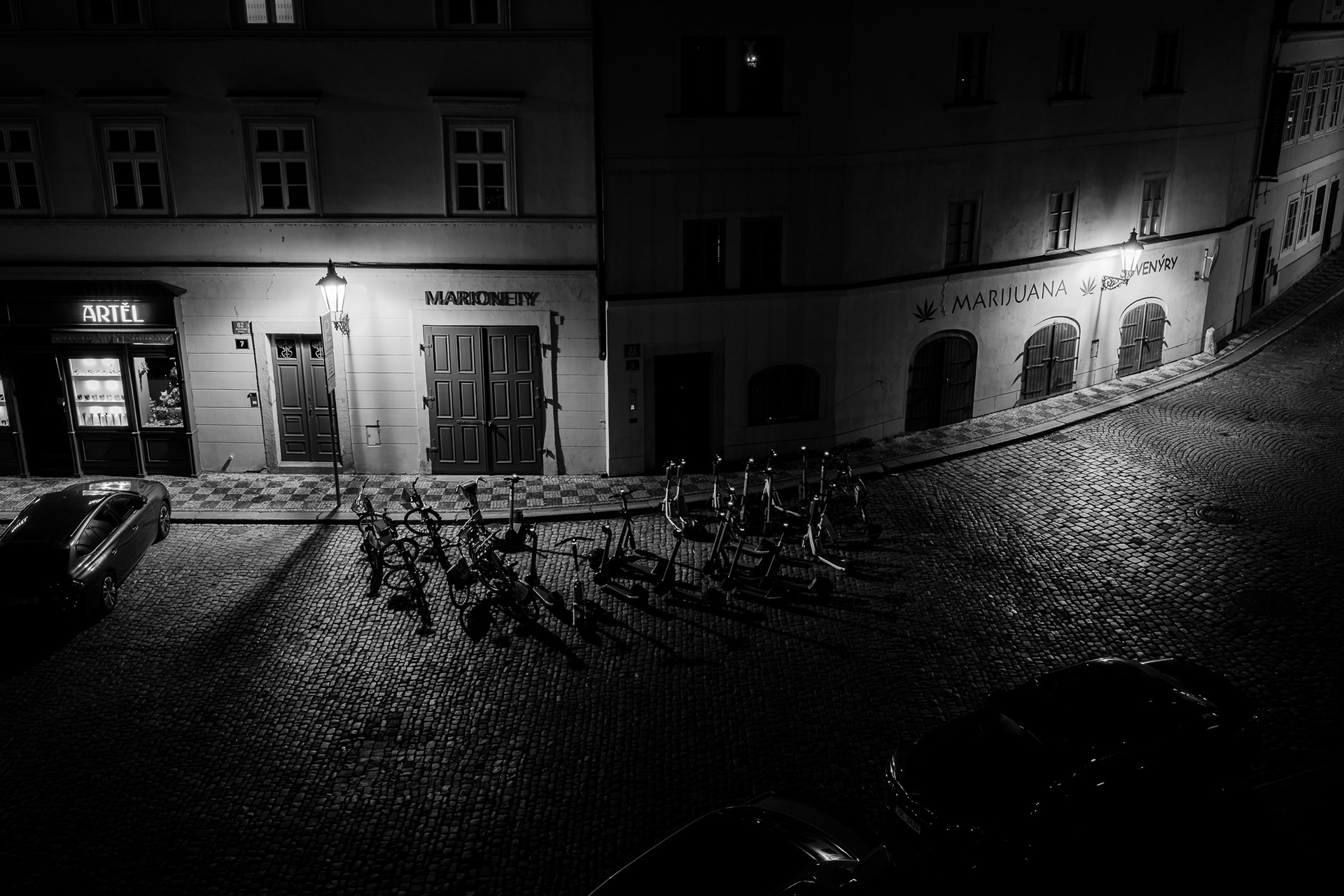
A moody, cinematic black and white 15-second long exposure of a Prague street corner, captured on a Sony A7 IV and processed with Leica Monochrom CCD emulation for inky shadows.

The Shadows of Prague: Demonstrating nocturnal tonal latitude and cross-camera consistency on the Sony A7 IV.
CASE STUDY 05: NOCTURNAL TONAL LATITUDE — THE CINEMATIC NOIR
THE CHALLENGE — Long-exposure night photography often creates "Digital Mud" in the shadows—a mushy, grey mess that lacks emotional weight. The objective was to achieve a "Cinematic Noir" aesthetic that embraces deep, inky shadows while preserving the architectural detail of the Sony A7 IV's 33-megapixel sensor.
THE SOLUTION — This study utilizes the Heritage Protocol via the Leica Monochrom CCD emulation. By re-mapping a 15-second exposure through a linear Cobalt Neutral base, we reclaimed the "bone" of the Prague streets.
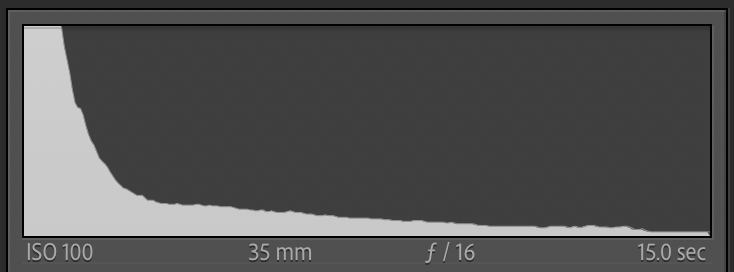
— NOCTURNAL DENSITY — A crushing Black Point (-52) was used to establish the "Noir" atmosphere. This provides a massive tonal anchor for the pools of artificial light, proving that even the Sony A7 IV can achieve "infinite" black density when processed correctly.
— OPTICAL BLOOM — By utilizing negative Clarity and Parametric Highlight roll-off, the harsh streetlamps were transformed into atmospheric "glows," simulating the cinematography of the classic film era.
— SENSOR INTEGRITY — The A7 IV handles this 15-second exposure with incredible cleanliness. Combined with an aggressive Texture lift, the result reveals the tactile grit of the cobblestones, turning a simple corner into a mysterious, three-dimensional stage.
EXIF — Sony A7 IV | 35mm | f/16 | 15s | ISO 100
Processed with Cobalt Image Tonal Architecture & Cinematic Noir Workflow.
——————————————————————————————————————————————
THE VERDICT: SONY HARDWARE, MONOCHROM SOUL
Through this five-pillar exploration of Tonal Architecture, we have deconstructed the myth that a "look" is tied to a specific camera's body. Instead, we have proven that the soul of an image lies in the Science of Translation.
By utilizing the HDR Bridge, the clinical precision of the Sony A-series is transformed. We have moved from the flagships to the compacts, proving that whether you are capturing the high-speed stride of a Royal Guard or the 15-second stillness of a Prague night, the Cobalt protocol remains a universal constant.
— SENSOR AGNOSTICISM — The Sony A1, A7CR, and A7 IV were unified through a single linear language. The hardware provided the raw dynamic range, while the Cobalt Neutral base ensured tonal sovereignty.
— SCULPTING WITH SPECTRA — By moving beyond simple desaturation into the HSL-100 Protocol, we reclaimed the use of digital "glass filters." We turned blue skies into inky drama and weathered skin into radiant character.
— THE ORGANIC VOID — We embraced the "Inky Anchor," proving that deep shadows and highlights don't have to look digital. Through the Leica Monochrom emulations, we achieved a silver-halide luminosity that honors the past while utilizing the resolution of the future.
The "Action-Documentarian" no longer has to choose between modern technical performance and timeless aesthetic soul. With the right bridge, we can have both.
THE SERIES IS NOW COMPLETE.
— EXPLORE VOLUME 1: CHROMATIC MASTERY
Joe Ng Photography | Vancouver, BC
Merging the adrenaline of high-performance sports with the timeless beauty of global travel. A former Fujifilm X-Photographer applying a rigorous technical mindset to the Sony Alpha system.

You may also like

Berlin: The Weight of Stone and Glass
A photographic exploration of Berlin's architecture and history, capturing the contrast between Cold War scars, heavy stone, and the transparency of modern democracy. Shot on Sony A1 & A74 and Cobalt Image Profiles.
2023
Leica Tones on Sony: Chromatic Mastery (Vol 1)
A deep dive into emulating Leica M10r and M9 color science on Sony A1, A7CR, and A7IV sensors using Cobalt Image linear profiles. Case studies in sports, portraits, and travel.
2026
Legend’s Last Lap: The Finale of Christine Sinclair
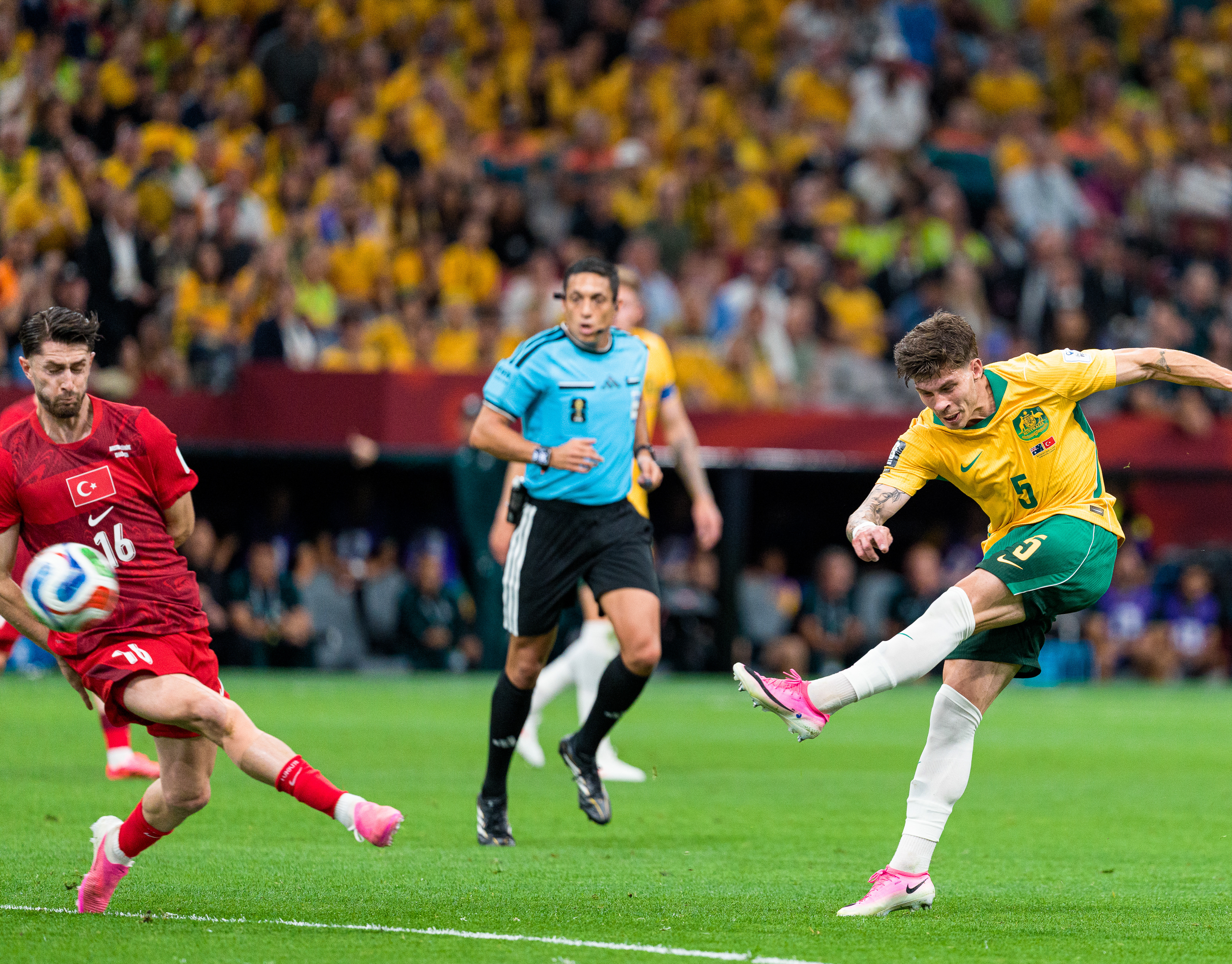
Joe Ng documents Christine Sinclair’s final international match. High-speed Sony A1 action meets emotional documentary scale. Processed with Cobalt Image Leica emulations.
2024
Budapest: The Gilded Echo | Travel Documentary | Joe Ng
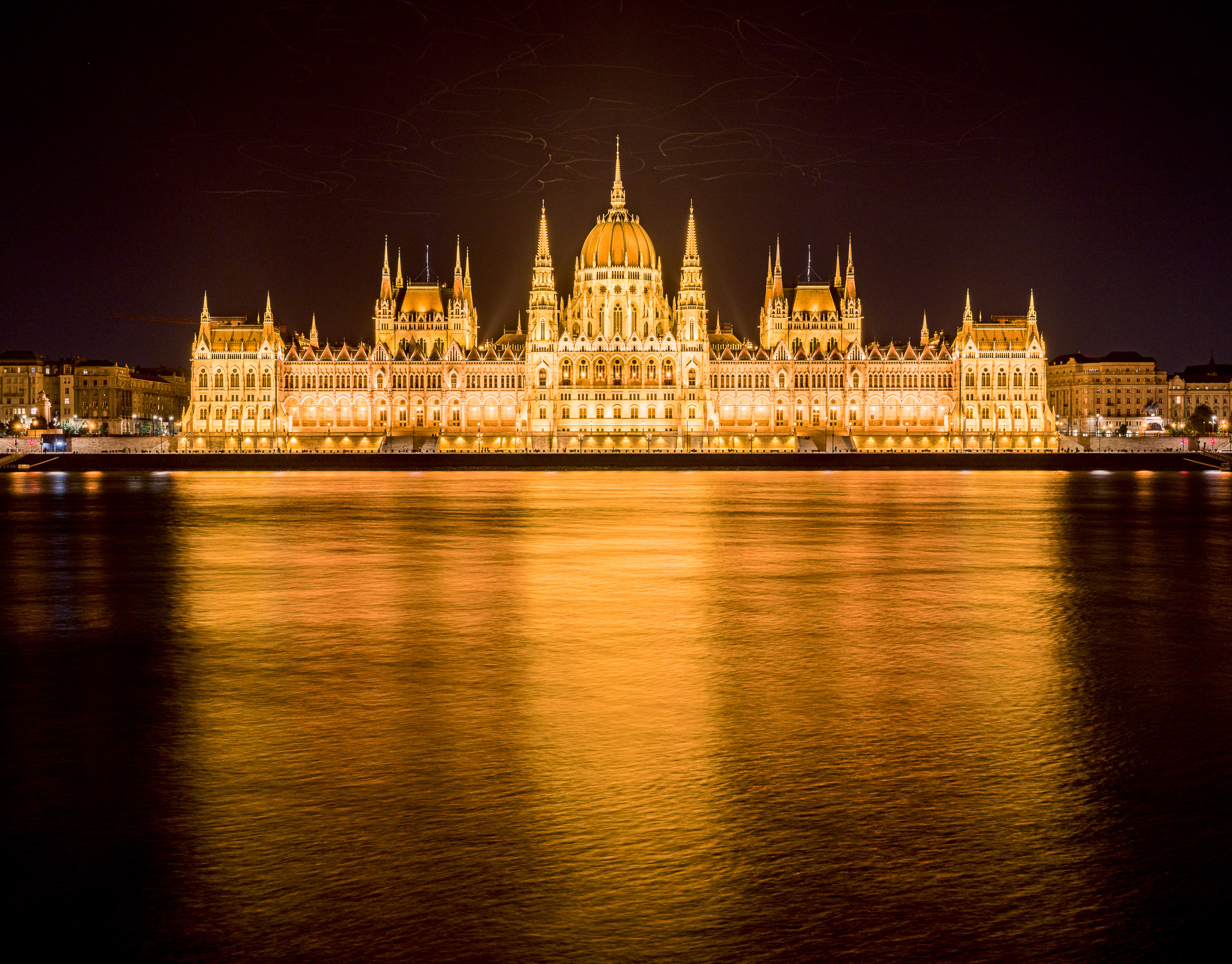
A visual narrative of Budapest in 2023. From the cinematic steam of the train stations to the golden Gothic spires of the Parliament, Joe Ng documents a city defined by its dualities.
2023
Fast Glass, Slow Soul
An exploration of hybrid photography workflows: merging the ruthless technical performance of the Sony A1 with the emotional color science of Leica rangefinders. In this photo essay, I break down how I utilize Cobalt Image Profiles to calibrate modern stacked sensors. By bridging the gap between high-speed action (captured at the Vancouver Rugby 7s) and fine-art expeditions (captured in Antarctica and Patagonia), I demonstrate that photographers no longer have to choose between "speed" and "soul." A study in color science, sensor physics, and the art of the decisive moment.
2026
Adrenaline & Americana: Cloverdale Rodeo | Joe Ng
Joe Ng documents the 2025 Cloverdale Rodeo. High-speed Sony A1 action meets A7CR documentary storytelling. Processed with Cobalt Image color science.
2025
Morocco: Art of Restriction | A7CR | Joe Ng
Explore "The Art of Restriction" in Morocco. Joe Ng documents the Medina and Sahara using the Sony A7CR and manual Voigtlander glass. A study in minimalist street photography and Cobalt Image color science.
2025
Iceland: Monoliths & Migration | A1/A7CR | Joe Ng
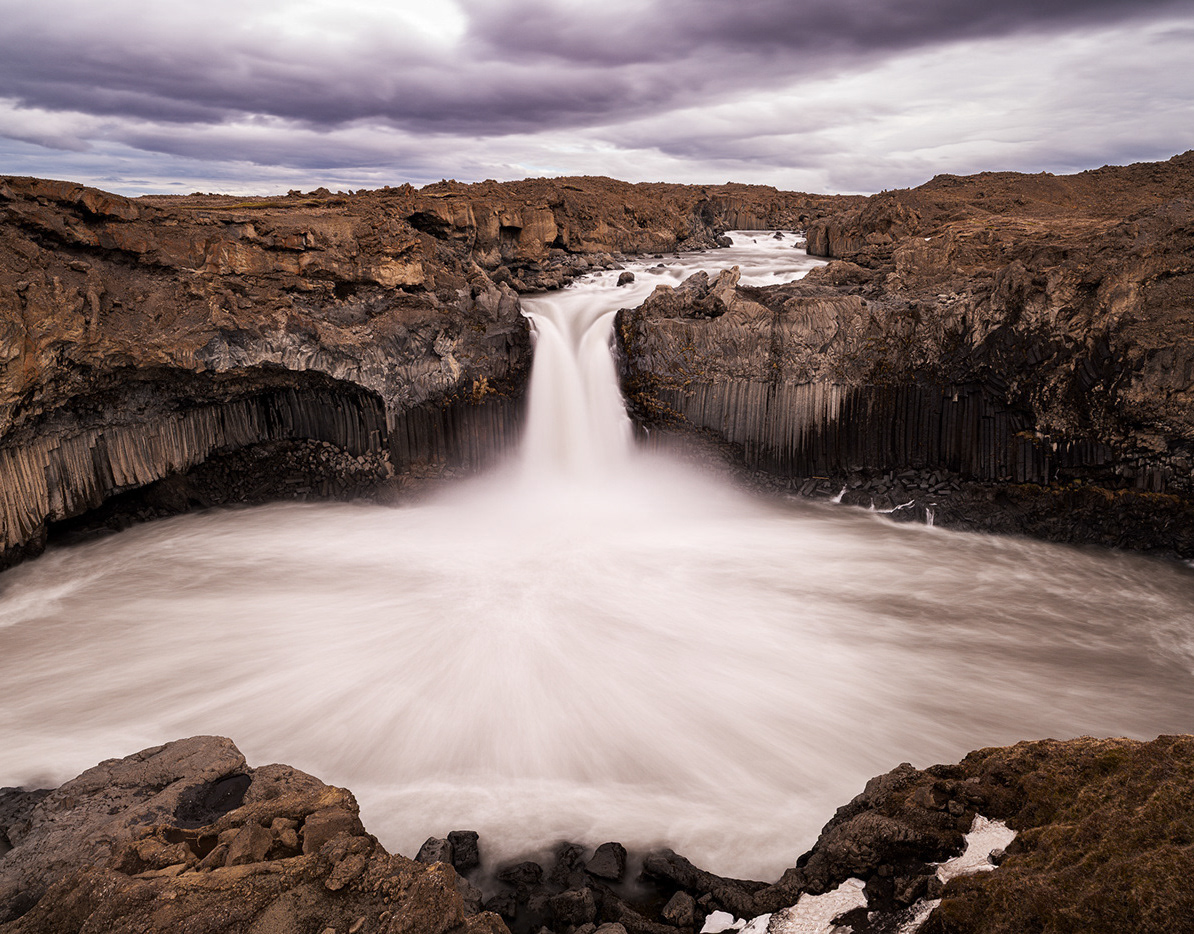
Joe Ng Photography documents Iceland with the Sony A1 and A7CR. High-speed Puffin action meets fine-art waterfalls. Edited with Cobalt Image Leica profiles.
2026
Chinatown Frost: Red Silk, White Silence
A documentary photo essay of the 2025 Lunar New Year Parade in Vancouver. Captured during a rare snowstorm, featuring Canadian political leaders and the resilience of the Chinatown community.
2025
Prague: Shadows of the Golden City
A photographic journey through Prague's Gothic architecture and Baroque interiors. This series captures the Blue Hour on Charles Bridge, the golden frescoes of Malá Strana, and the mood of the Vltava River. Shot on the Sony A1 & A74.
2023
Back to Top