

Leica Tones on Sony: A Cobalt Image Technical Review
Volume 1: Chromatic Mastery
The Problem: The Digital Clinicality of the Modern Sensor
If you shoot with the Sony A1 or A7CR, you own the pinnacle of digital imaging technology. We choose these bodies for their ruthless efficiency: the 61MP resolution, the unflinching autofocus, and the massive dynamic range of the BSI sensors. However, there is a trade-off. Out of the box, Sony’s RAW files can feel "clinical"—technically perfect but devoid of the organic soul, nuanced highlight roll-off, and "3D pop" associated with the legendary Leica M-System.
For years, photographers have chased the "Leica Look" using superficial presets. But true emulation isn't about moving a few color sliders; it’s about fundamentally restructuring how Adobe Lightroom Classic interprets 14-bit sensor data. This is where the HDR Bridge begins.
The Foundation: The Cobalt Neutral Protocol
Before applying any aesthetic "paint," one must prepare the canvas. In the Cobalt ecosystem, this is the Base Pack.
Most users mistake a camera profile for a "filter." In reality, a profile is a mathematical translator. Standard profiles like "Adobe Color" or Sony’s "Creative Looks" have a manufacturer's "opinion" baked in—often resulting in the notorious "Sony Yellows" or artificial contrast.
The Cobalt Base Pack acts as a Sensor Reset. It neutralizes the inherent biases of the A1 and A7CR sensors, providing a scientifically accurate, linear starting point. By stripping away the digital secret sauce, we regain control over the raw data.
Why "Neutralizing" the Sensor is Non-Negotiable
Using a linear base like Cobalt Neutral provides four critical advantages for the professional workflow:
01 — ELIMINATING PROFILE STACKING
Eliminating Profile Stacking: Applying a Leica emulation on top of an "Adobe Color" profile is like painting a masterpiece on a stained canvas. The Base Pack ensures the emulation interacts with pure data, not a pre-existing color opinion.
02 — HIGHLIGHT & SHADOW INTEGRITY
Highlight & Shadow Integrity: Because Cobalt Neutral is a linear-behaving profile, it initially appears "flat." This is its greatest strength. It allows us to utilize the Sony sensor’s massive dynamic range—aggressively recovering highlights and lifting shadows without the "muddy" artifacts found in standard profiles.
03 — CROSS-PLATFORM CONSISTENCY
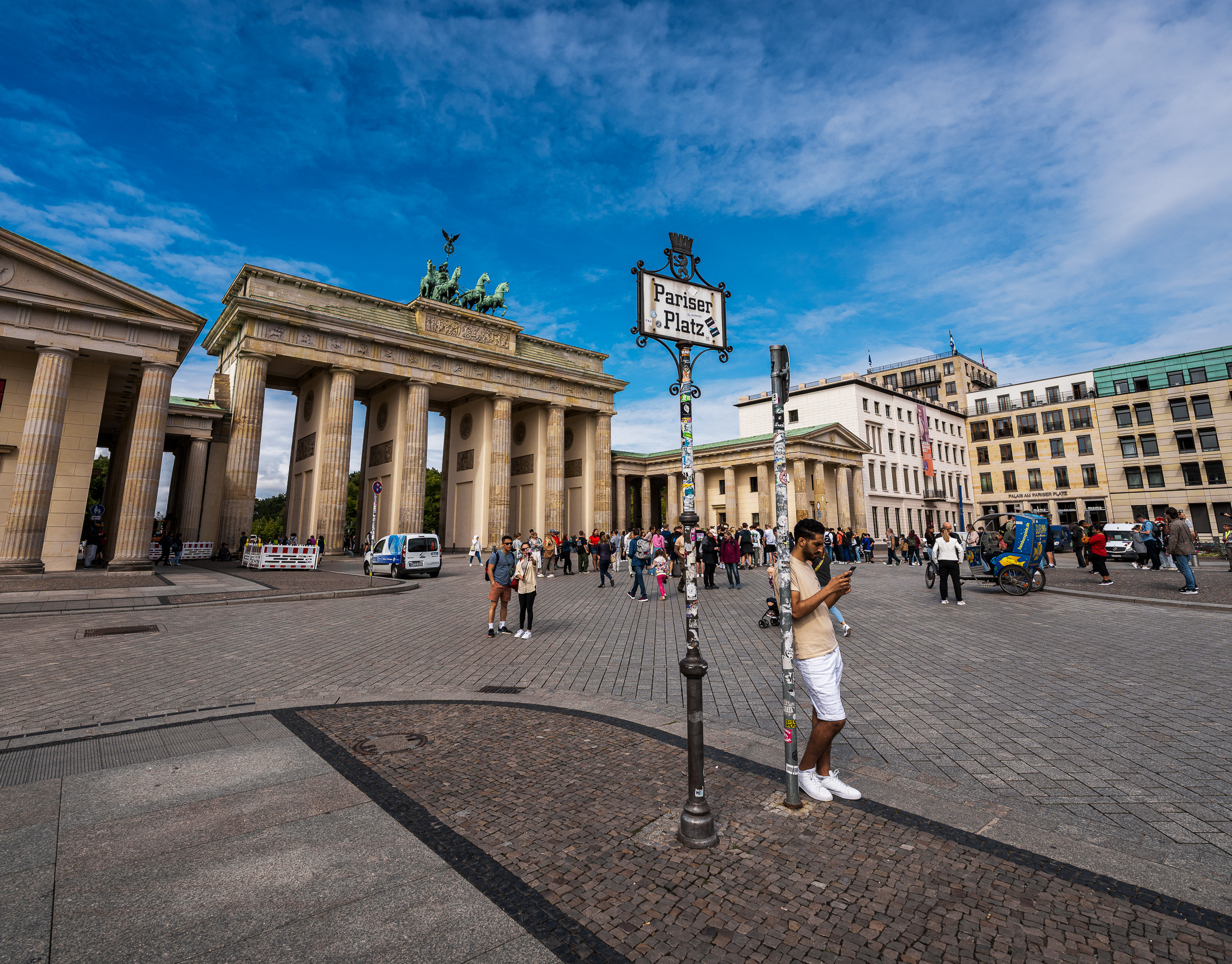
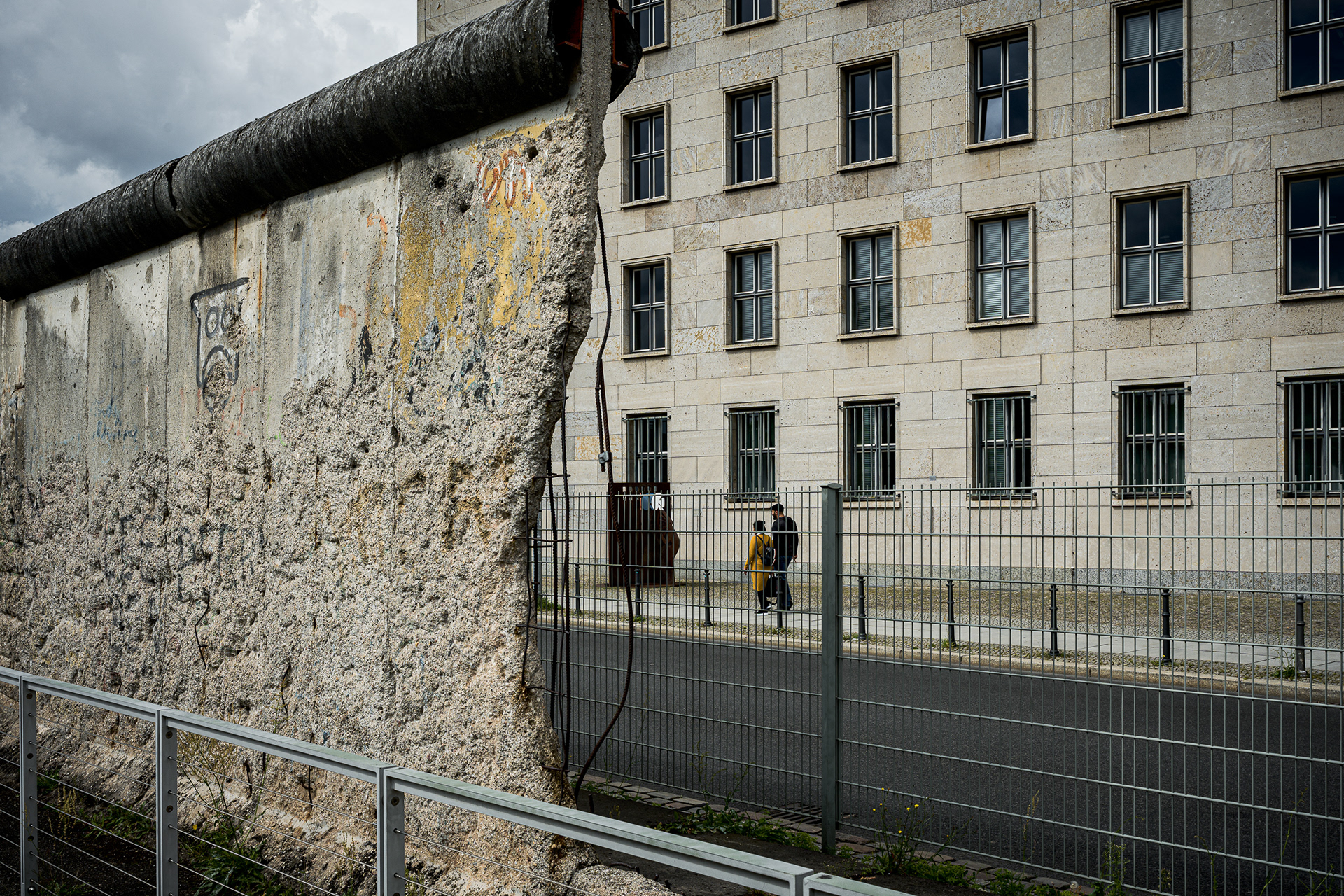
Cross-Platform Consistency: Whether shooting the A1 or the A7CR, the Base Pack acts as a universal translator. It ensures that my "Berlin: Stone and Glass" essay maintains a perfectly consistent color story, regardless of which body captured the frame.
04 — A TRUE REFERENCE FOR SKIN & STONE
A True Reference for Skin & Stone: By removing the green/yellow bias inherent in Sony’s color science, skin tones and architectural textures (like Berlin’s granite) render with a tactile, life-like accuracy from the very first click.
The Execution: Translating the M-System Aesthetic
With the technical foundation laid, the goal is to embody the "Soul of the M." In the following case study, I apply the Cobalt Leica M10r and M9 emulations to Sony RAW files.
These aren't just color shifts; they are re-mappings of the tonal curve. You will see the transformation of digital clinicality into organic depth—focusing on the micro-contrast of the stone, the ethereal transparency of glass, and the sophisticated highlight roll-off that defines the Leica legacy.
Case Study 01: Tonal Density and the Human Element
The first and most critical test for any profile is its rendering of human skin—specifically in challenging, mixed-lighting environments.
In this documentary frame of a Canadian Veteran, we are dealing with a complex color matrix: the cool, reflective blue of the ice rink, the harsh overhead industrial lighting, and the deep navy wool of the blazer.
The Sony/Adobe Baseline:
In the "Before" image (Adobe Color), notice the characteristic digital "thinness." The skin tones lean slightly toward a sallow green-yellow, a common trait in Sony sensors under fluorescent light. The medals, while sharp, feel flatly rendered against the fabric of the blazer.
The Cobalt Leica Translation:
By utilizing the Cobalt Neutral base and the Leica M10r emulation, we see an immediate shift in chromatic density.
SKIN INTEGRITY — The emulation introduces a natural ruddiness and warmth to the subject’s face, effectively neutralizing the green-yellow cast of the industrial arena lights.
THE 3D POP — Observe the medals; the Cobalt profile identifies the micro-contrast between metallic luster and wool fabric, giving the medals a tactile "lift" off the blazer.
DEEP BLUES — The navy blazer gains a "filmic" weight, moving from a charcoal-grey baseline to a rich, inky midnight blue that anchors the entire portrait.
Documentary portrait of a Canadian veteran in an in-door ice rink captured on a Sony A1, processed with Adobe Standard profile.
Adobe Standard
Documentary portrait of a Canadian veteran in an in-door ice rink captured on a Sony A1, processed with Cobalt Leica M10r emulation to achieve organic skin tones, deep chromatic density in the navy uniform, and 3D pop.

THE CHALLENGE — Industrial lighting in arenas typically produces a "thin" RAW file with a heavy yellow-green bias on Sony sensors. Using a standard Adobe profile often results in sallow skin tones and "clipped" highlights on the reflective ice surface.

THE SOLUTION — This image was processed using the HDR Bridge workflow:

Foundation: Applied the Cobalt Neutral profile to neutralize the sensor's native color cast and establish a linear tonal base.

Expansion: Aggressive base-tone adjustments (Highlights -65 / Whites +30) were used to "stretch" the histogram, recovering texture in the background arena lights while maintaining density in the navy blazer.

The Leica Translation: The Leica M10r emulation was applied to re-map the skin tones, introducing a natural ruddiness and "3D pop" to the medals through enhanced micro-contrast.

EXIF DATA — Sony A1 | 35mm | f/2.8 | 1/250s | ISO 800.

Case Study 02: Managing High-Action & Artificial Spectrums
The prowess of the Cobalt/Leica bridge extends into the demanding environment of the indoor tennis court. Stadium lighting is notoriously "choppy"—often missing the full spectral range of natural light—which causes digital sensors to render skin as either pasty and pale or artificially orange.
The Sony/Adobe Baseline:
In the "Before" image, the player’s skin appears slightly washed out and "flat." The red of her athletic top leans toward a neon-orange digital rendering, a common byproduct of how standard profiles interpret high-saturation colors under artificial LEDs.
The Cobalt Leica Translation:
By shifting to the Leica M9 High Saturation emulation (recreating the legendary CCD sensor characteristics), the frame is transformed:

VITALITY UNDER STRESS — The emulation maintains a healthy, organic glow on the player's skin, preserving the natural flush of physical exertion without succumbing to the "muddy" magenta shifts common in high-ISO Sony files.
RED WEIGHT — The red top moves from a thin, "neon" digital hue to a deep, filmic crimson. This is the hallmark of the M9 emulation: it provides color "weight" and density that feels three-dimensional rather than just "bright."
CONTRAST CONTROL — Despite the harsh overhead lights, the tonal transitions on the player’s arms and face remain smooth and "expensive," avoiding the harsh, brittle micro-contrast of standard digital sharpening.
High-speed indoor tennis action photography on a Sony A1.
Adobe Standard
High-speed indoor tennis action photography on a Sony A1, utilizing Leica M9 High Saturation emulation to achieve dense red color weight and natural skin vitality under artificial stadium lighting.

THE CHALLENGE — Fast-moving subjects under indoor stadium LEDs suffer from "Spectral Thinning." Reds usually render as a thin, neon orange, and skin tones become sallow due to the discontinuous spectrum of artificial light.

THE SOLUTION — For this high-action frame, I utilized the Leica M9 High Saturation emulation. This profile re-maps the Sony A1’s 14-bit RAW data to mimic the specific chromatic density of the legendary M9 CCD sensor.

THE RESULT —
RED WEIGHT — The jersey achieves a deep, "velvety" crimson that anchors the composition, providing a three-dimensional pop against the stadium background.
ISO RESILIENCE — Despite the ISO 2000 environment, the skin maintains a healthy, blood-filled glow, effectively neutralizing the green/yellow bias of the overhead stadium lighting.
TONAL INTEGRITY — As evidenced by the histogram, the red channel is dense and nuanced, avoiding the digital clipping common in standard manufacturer profiles.

EXIF: Sony A1 | 200mm | f/2.8 | 1/500s | ISO 2000

Case Study 03: The Ultimate Stress Test — Spectral Depth
The Challenge: Beyond the "Digital Ash"
Capturing this Maasai woman in the harsh, high-key light of the Mara represents the ultimate test for the HDR Bridge. Standard digital profiles typically interpret deep skin tones with a "Spectral Thinning"—a loss of chromatic variation that results in a greyish, ashy cast. Additionally, the high-key background often results in a brittle, digital "clipping" that detaches the subject from the environment.
THE SONY/ADOBE BASELINE — In the standard RAW interpretation, the vibrant reds of the traditional Shúkà (clothing) tend to "bleed" into the skin tones, while the highlights on the forehead lose their warm, radiant quality, appearing flat and clinical.
The Solution: The M10r Radiance Protocol
By applying the Leica M10r emulation on a Cobalt Neutral linear base, we deconstruct the clinical data and rebuild it with the organic tonal transitions of the M-System.
CHROMATIC LUMINOSITY — The emulation successfully identifies and preserves the amber and mahogany undertones. Instead of a flat surface, the skin renders with a radiant, "illuminated-from-within" quality that captures the true health and vitality of the subject.
SPECTRAL SEPARATION — Notice the interplay between the intense primary reds of the clothing and the deep tones of the skin. The Cobalt Bridge maintains a strict chromatic boundary, allowing the reds to achieve a velvety density without contaminating the facial tones.
THE 3D POP OF TEXTURE — The silver discs and intricate beadwork of the jewelry achieve a tactile micro-contrast. Because the M10r profile prioritizes a "film-like" highlight roll-off, the transition from the subject’s head to the high-key white sky is soft and organic, simulating the rendering of high-end optical glass.
Maasai woman portrait captured on Sony A1 using Adobe Standard profile.
Adobe Standard
Maasai woman portrait captured on Sony A1 using Cobalt Leica M10r emulation for organic skin tones and spectral depth.

THE CHALLENGE — In high-noon equatorial light, digital sensors often suffer from "Spectral Thinning." This results in deep skin tones appearing "ashy" or grey in the highlights, while vibrant primary colors like the Maasai Red often "clip" and lose their textural detail.

THE SOLUTION — This portrait utilizes the HDR Bridge to reclaim tonal density:

Linear Foundation — By starting with the Cobalt Neutral profile, we bypass the sensor's native "Sony Yellow" bias and establish a flat, high-latitude base.

M10r Mapping — The Leica M10r emulation was applied to re-map the highlights, replacing digital glare with a sophisticated, radiant glow that preserves the mahogany and amber undertones of the skin.

The Highlight Shoulder — To manage the high-key background, a Parametric Highlight adjustment (-10) was applied to the tone curve, simulating an "organic roll-off" typically found in high-end film stock.

THE RESULT — A portrait with immense "3D pop" and chromatic integrity. As seen in the histogram, the red channel is dense and nuanced, while the skin highlights remain luminous and warm, successfully avoiding the clinical look of standard manufacturer profiles.

EXIF — Sony A1 | 35mm | f/2.8 | 1/320s | ISO 100
Processed with Cobalt Image Linear Workflow & Leica M10r Digital Emulation.
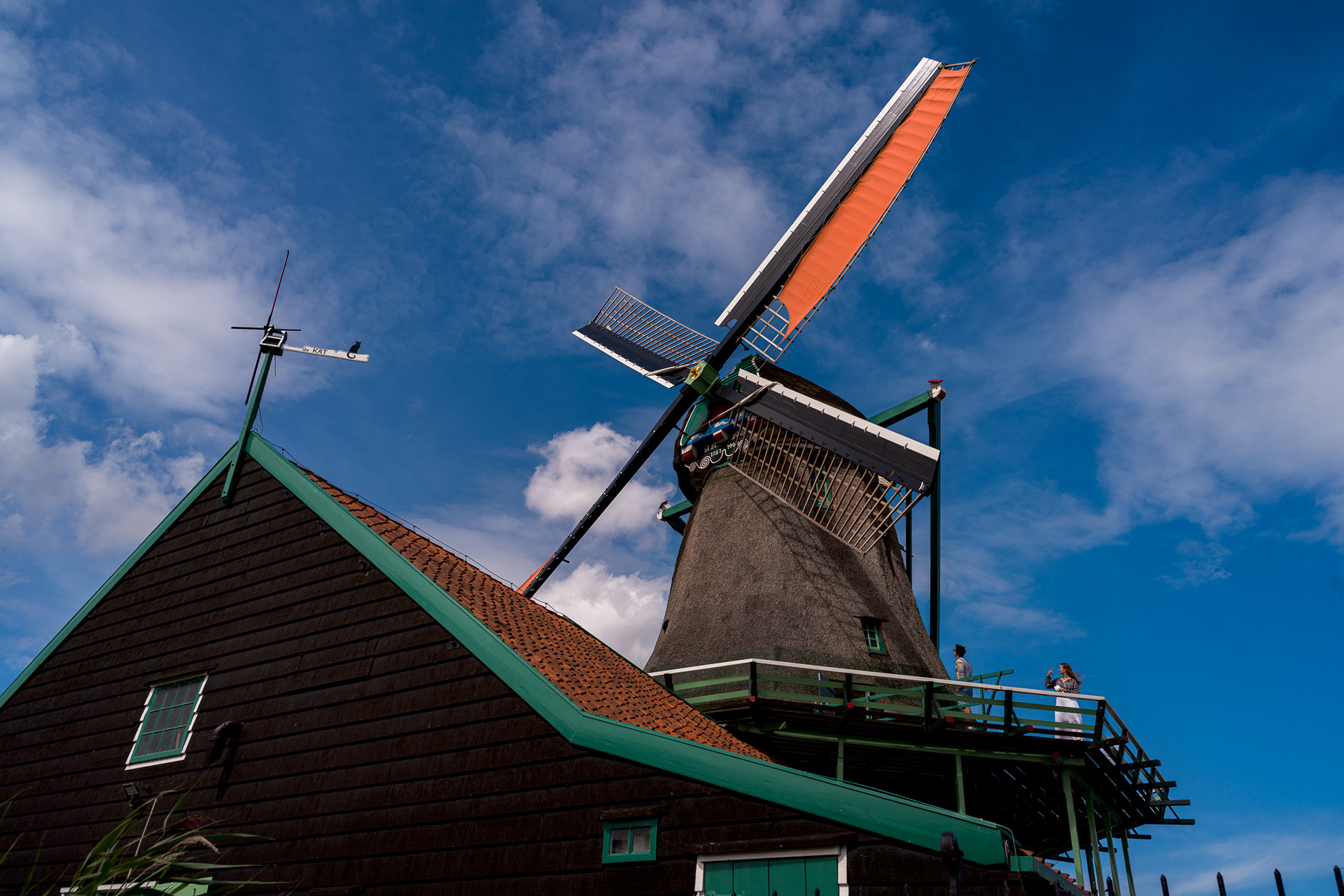
THE UNIFIED SENSOR: ACHIEVING CROSS-CAMERA CONSISTENCY
The ultimate challenge for the professional documentarian is not just achieving a "look," but maintaining it across a multi-body workflow. In a single assignment, a photographer might move between the powerhouse Sony A1, the high-resolution A7CR, and the versatile A7 IV. Traditionally, the subtle differences in how these sensors interpret light would result in a fragmented aesthetic—a nightmare for cohesive storytelling.
This is the true genius of the Cobalt protocol. Because each Base Pack is scientifically calibrated to a specific sensor’s hardware, it "neutralizes" the manufacturer’s variance. It translates disparate data streams into a single, unified language before the Leica emulation is ever applied.
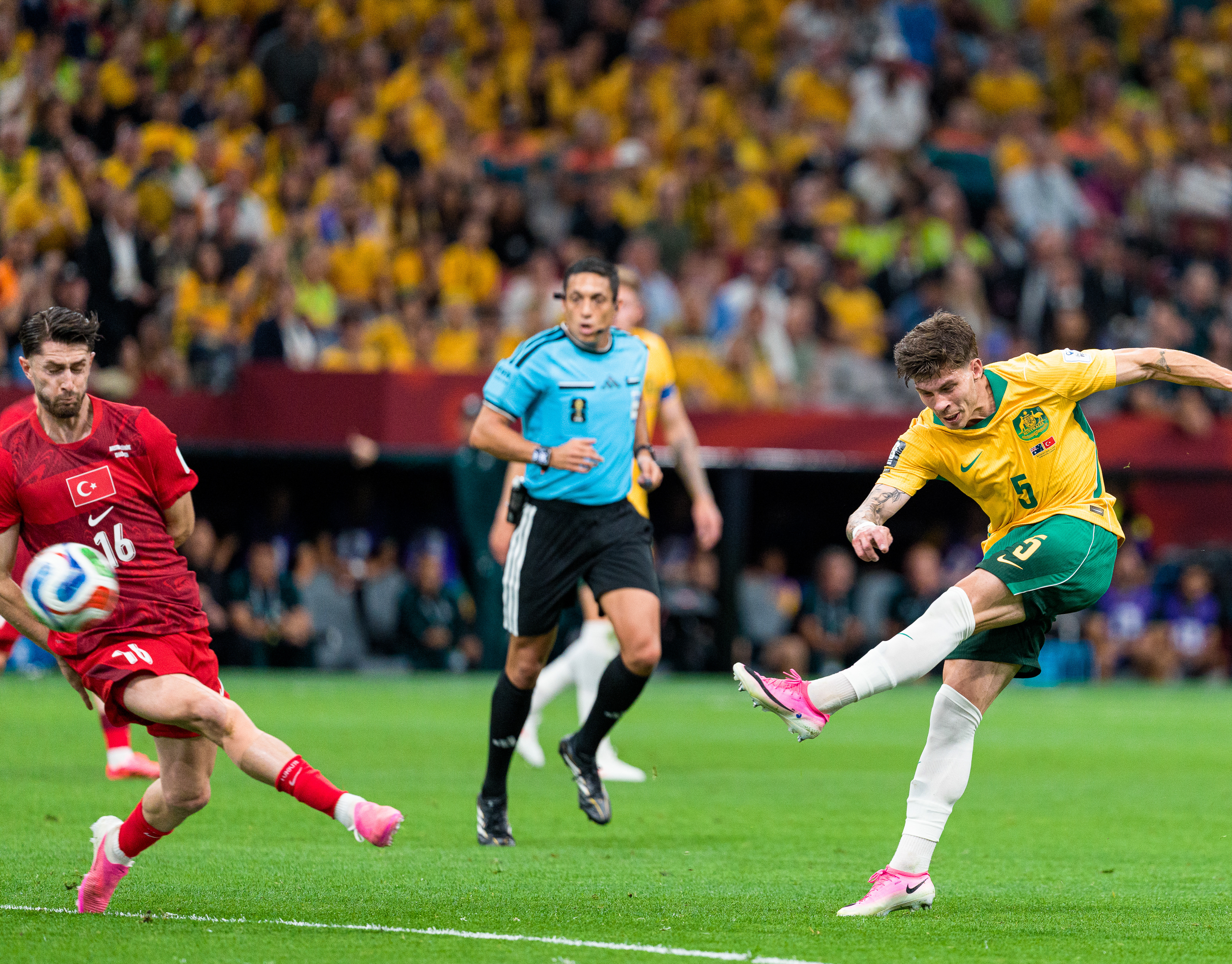
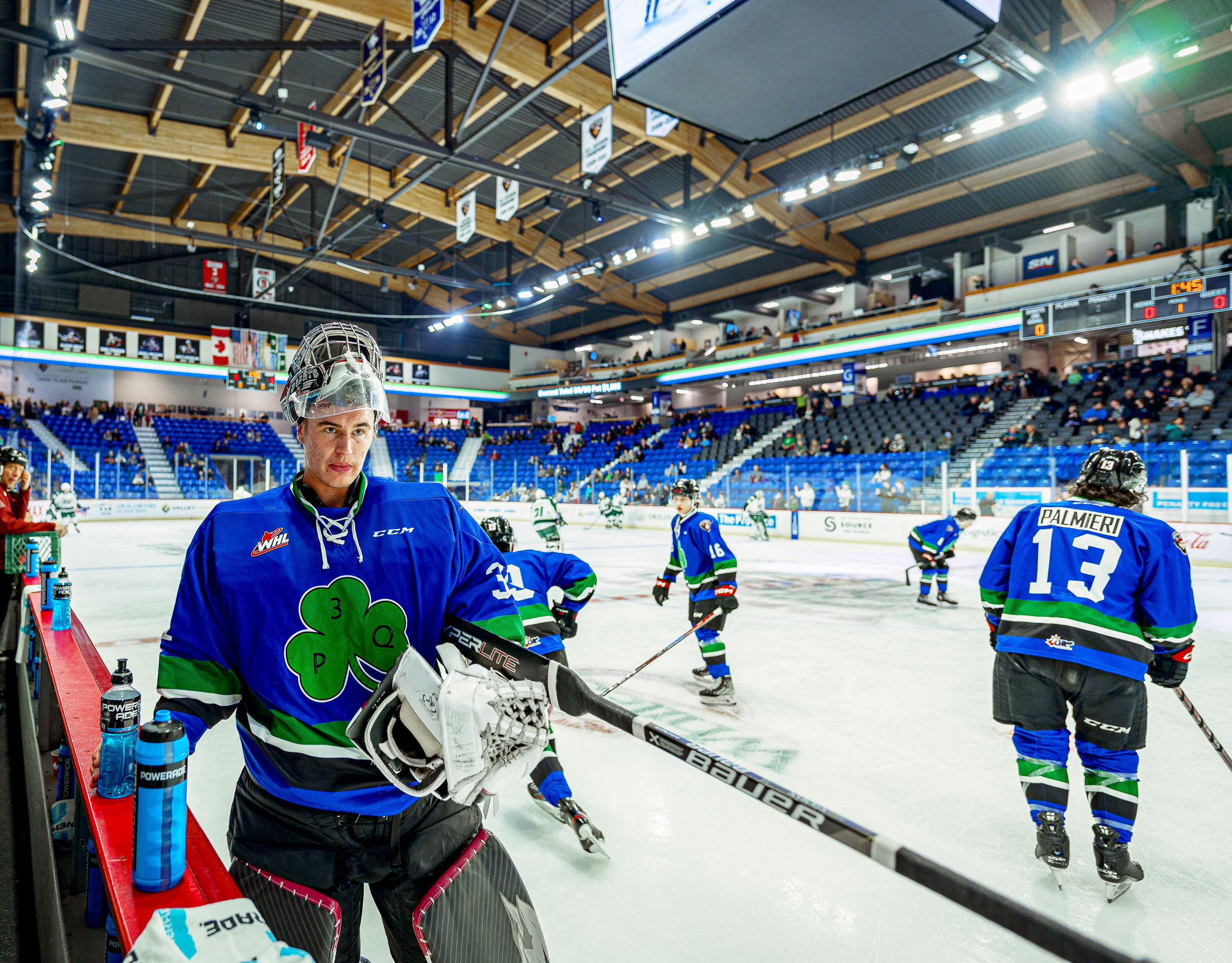
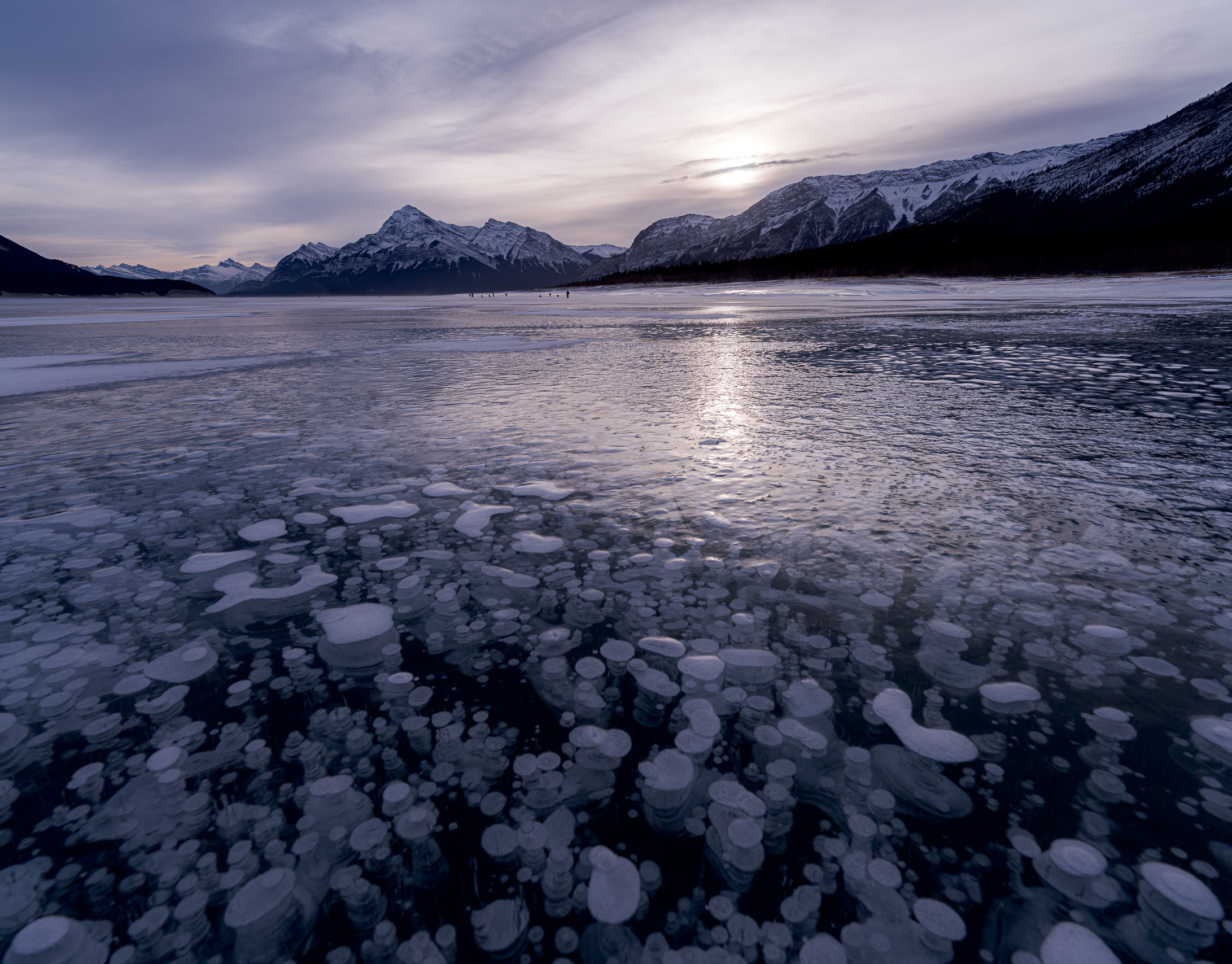
To demonstrate this Sensor Agnosticism, I have curated a gallery below featuring frames from the A1, A7CR, and A7 IV. Despite the differences in pixel pitch and hardware architecture, the final rendering remains remarkably unified.
THE COHESIVE PALETTE — Observe the spectral integrity of the skin tones and primary colors. Whether captured on the A1 or the A7 IV, the "Leica Red" maintains a consistent density and tonal weight.
THE UNIFIED MOOD — By eliminating the "Sony Yellow" bias at the foundational level, the emotional character of the images remains stable. The transition from one body to another is invisible, ensuring the narrative remains front-and-center.
PROFESSIONAL INTEGRATION — For a high-end portfolio, a wedding album, or a commercial campaign, this consistency is a fundamental advantage. It ensures that your signature look is a constant, regardless of the tool in your hand.
CONCLUSION: BEYOND THE RAW
Volume 1 has focused on Chromatic Mastery—the science of translating the Sony RAW into the vibrant, organic world of Leica color. We have proven that with the right linear bridge, the clinical precision of modern hardware can indeed achieve an "organic soul."
But color is only half of the architecture of an image.
COMING NEXT — VOLUME 2: TONAL ARCHITECTURE
In the next volume, I strip away the color entirely to explore the Monochrome Protocol. I will demonstrate how the HSL-100 linear workflow on a Cobalt base creates a silver-halide luminosity that rivals dedicated monochrome sensors.
— Explore the structure of light: Volume 2: Tonal Architecture
Joe Ng Photography | Vancouver, BC
Merging the adrenaline of high-performance sports with the timeless beauty of global travel. A former Fujifilm X-Photographer applying a rigorous technical mindset to the Sony Alpha system.
You may also like

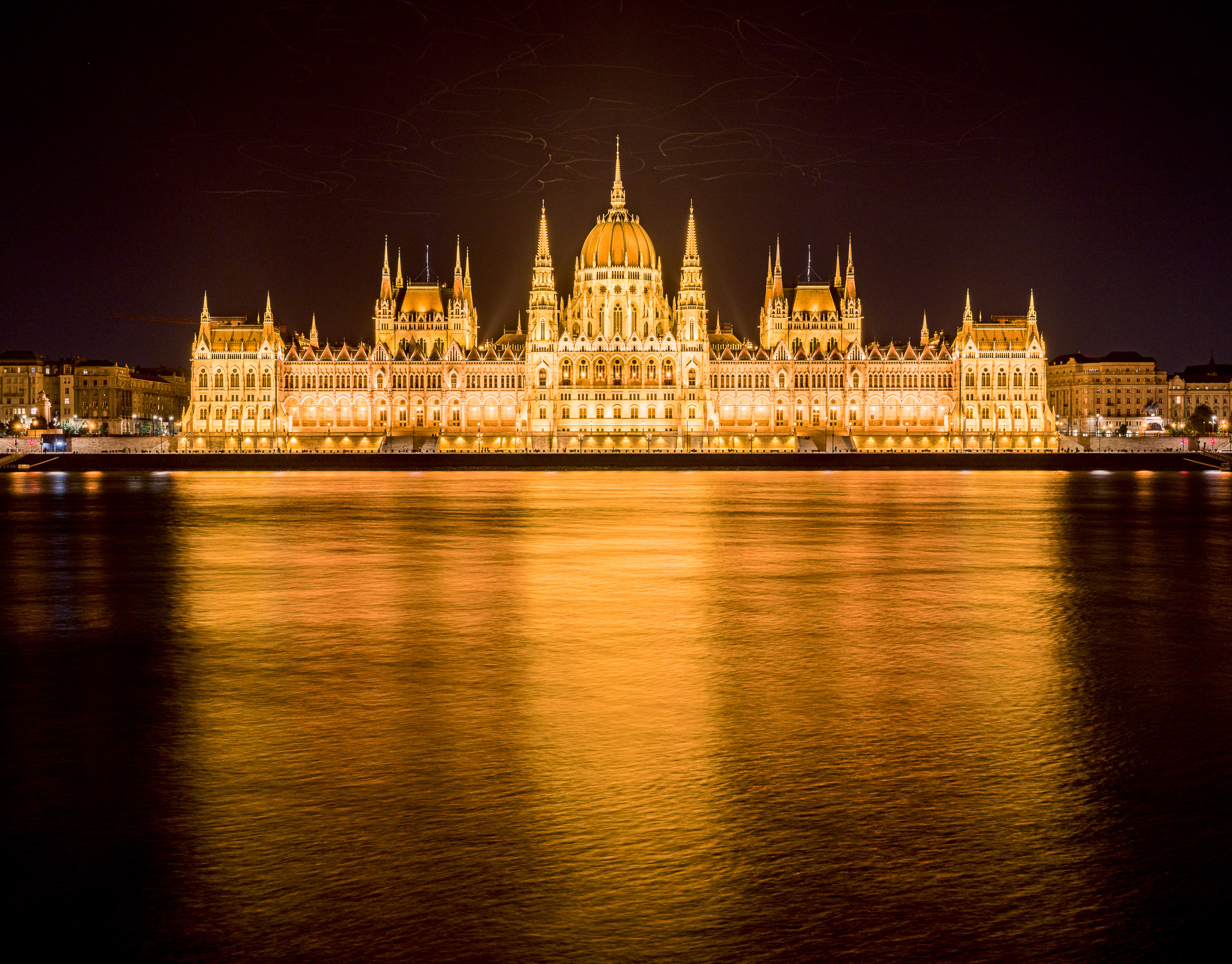
Budapest: The Gilded Echo | Travel Documentary | Joe Ng
A visual narrative of Budapest in 2023. From the cinematic steam of the train stations to the golden Gothic spires of the Parliament, Joe Ng documents a city defined by its dualities.
2023
Iceland: Monoliths & Migration | A1/A7CR | Joe Ng
Joe Ng Photography documents Iceland with the Sony A1 and A7CR. High-speed Puffin action meets fine-art waterfalls. Edited with Cobalt Image Leica profiles.
2026
Frozen Chaos: Sony A1 Hockey Photography Guide
Master the art of hockey photography. Joe Ng reveals his Sony A1 & Cobalt Image workflow, capturing the speed, tension, and physics of the WHL in this visual case study.
2023
Chinatown Frost: Red Silk, White Silence
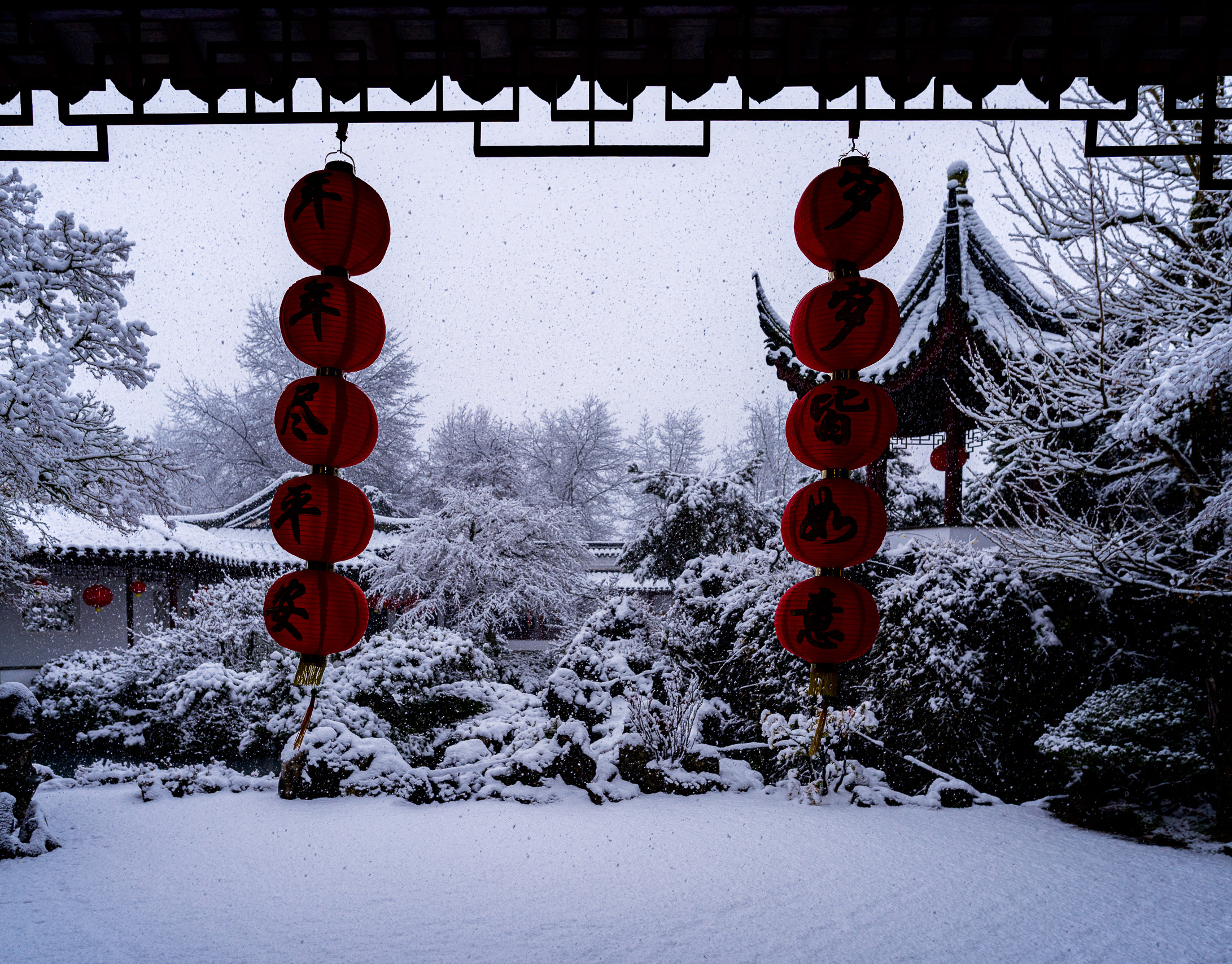
A documentary photo essay of the 2025 Lunar New Year Parade in Vancouver. Captured during a rare snowstorm, featuring Canadian political leaders and the resilience of the Chinatown community.
2025
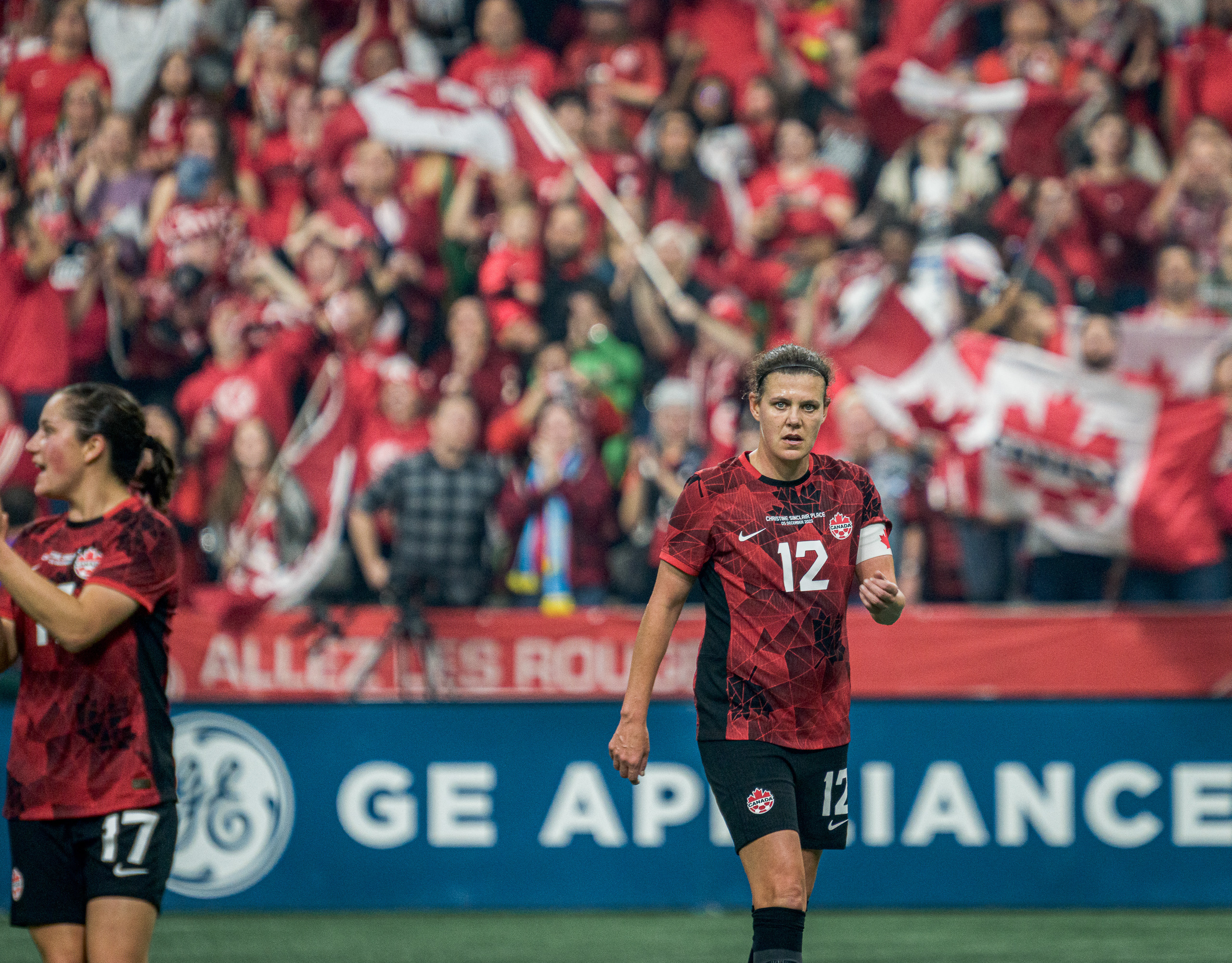
Legend’s Last Lap: The Finale of Christine Sinclair
Joe Ng documents Christine Sinclair’s final international match. High-speed Sony A1 action meets emotional documentary scale. Processed with Cobalt Image Leica emulations.
2024
Adrenaline & Americana: Cloverdale Rodeo | Joe Ng
Joe Ng documents the 2025 Cloverdale Rodeo. High-speed Sony A1 action meets A7CR documentary storytelling. Processed with Cobalt Image color science.
2025
Morocco: Art of Restriction | A7CR | Joe Ng
Explore "The Art of Restriction" in Morocco. Joe Ng documents the Medina and Sahara using the Sony A7CR and manual Voigtlander glass. A study in minimalist street photography and Cobalt Image color science.
2025
Prague: Shadows of the Golden City
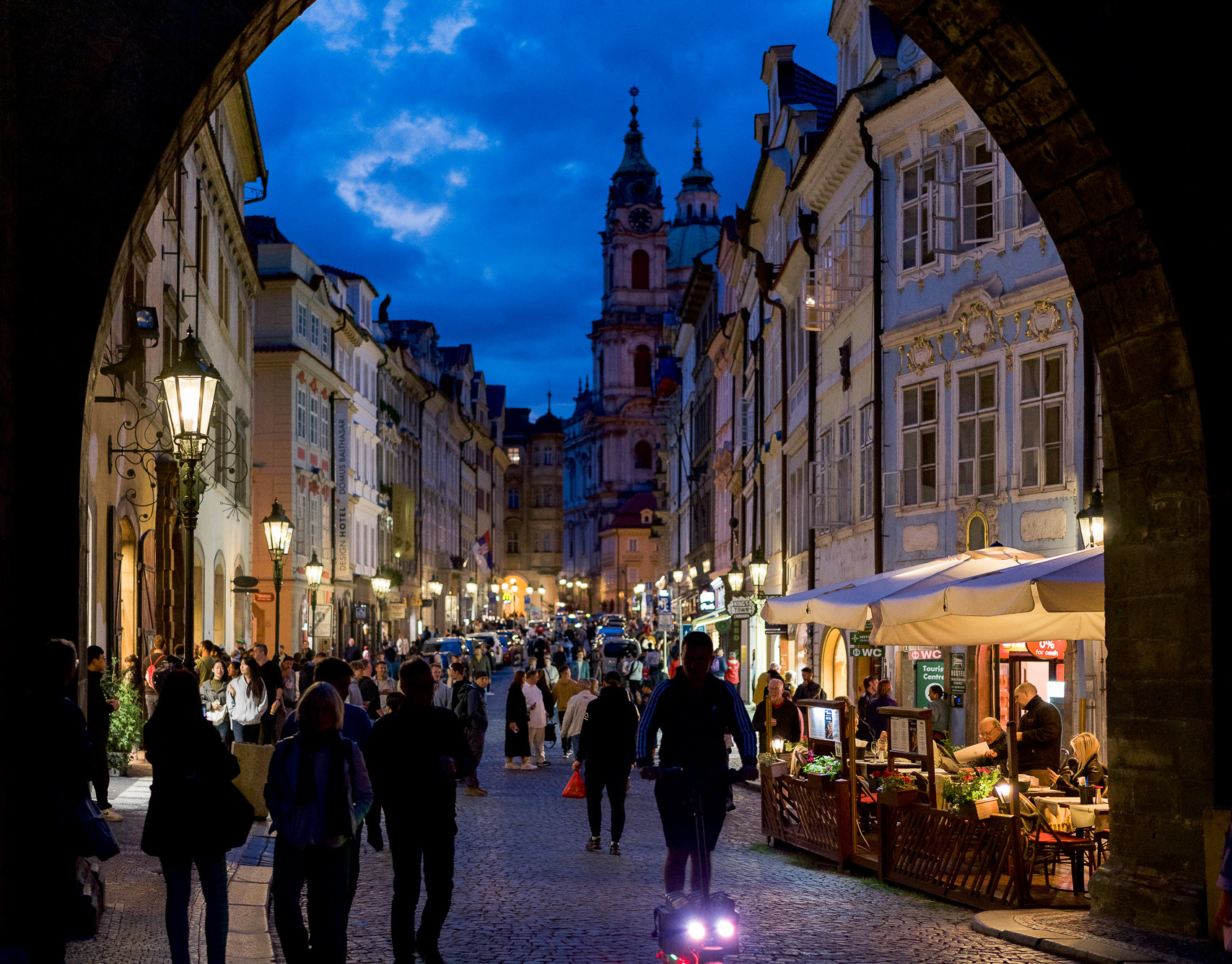
A photographic journey through Prague's Gothic architecture and Baroque interiors. This series captures the Blue Hour on Charles Bridge, the golden frescoes of Malá Strana, and the mood of the Vltava River. Shot on the Sony A1 & A74.
2023
Fast Glass, Slow Soul
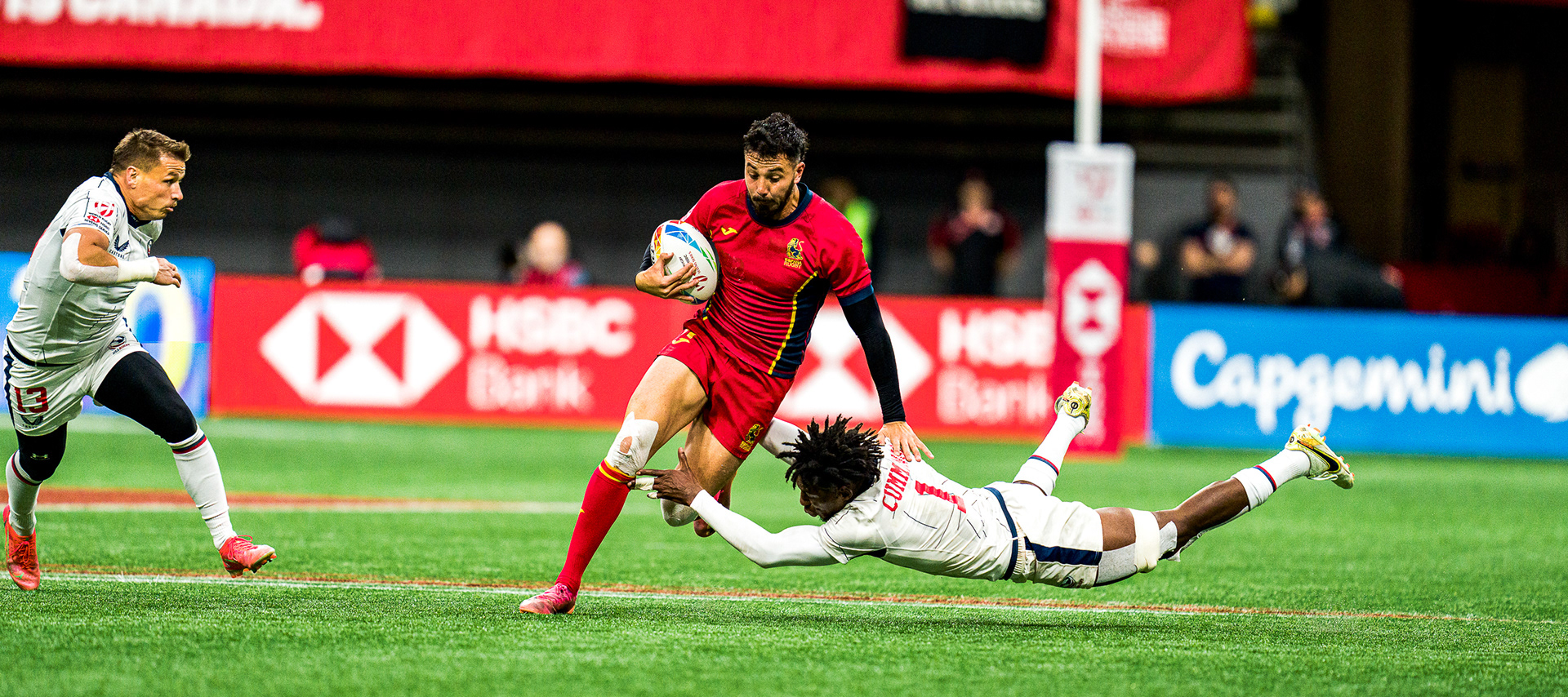
An exploration of hybrid photography workflows: merging the ruthless technical performance of the Sony A1 with the emotional color science of Leica rangefinders. In this photo essay, I break down how I utilize Cobalt Image Profiles to calibrate modern stacked sensors. By bridging the gap between high-speed action (captured at the Vancouver Rugby 7s) and fine-art expeditions (captured in Antarctica and Patagonia), I demonstrate that photographers no longer have to choose between "speed" and "soul." A study in color science, sensor physics, and the art of the decisive moment.
2026
Berlin: The Weight of Stone and Glass
A photographic exploration of Berlin's architecture and history, capturing the contrast between Cold War scars, heavy stone, and the transparency of modern democracy. Shot on Sony A1 & A74 and Cobalt Image Profiles.
2023
Back to Top