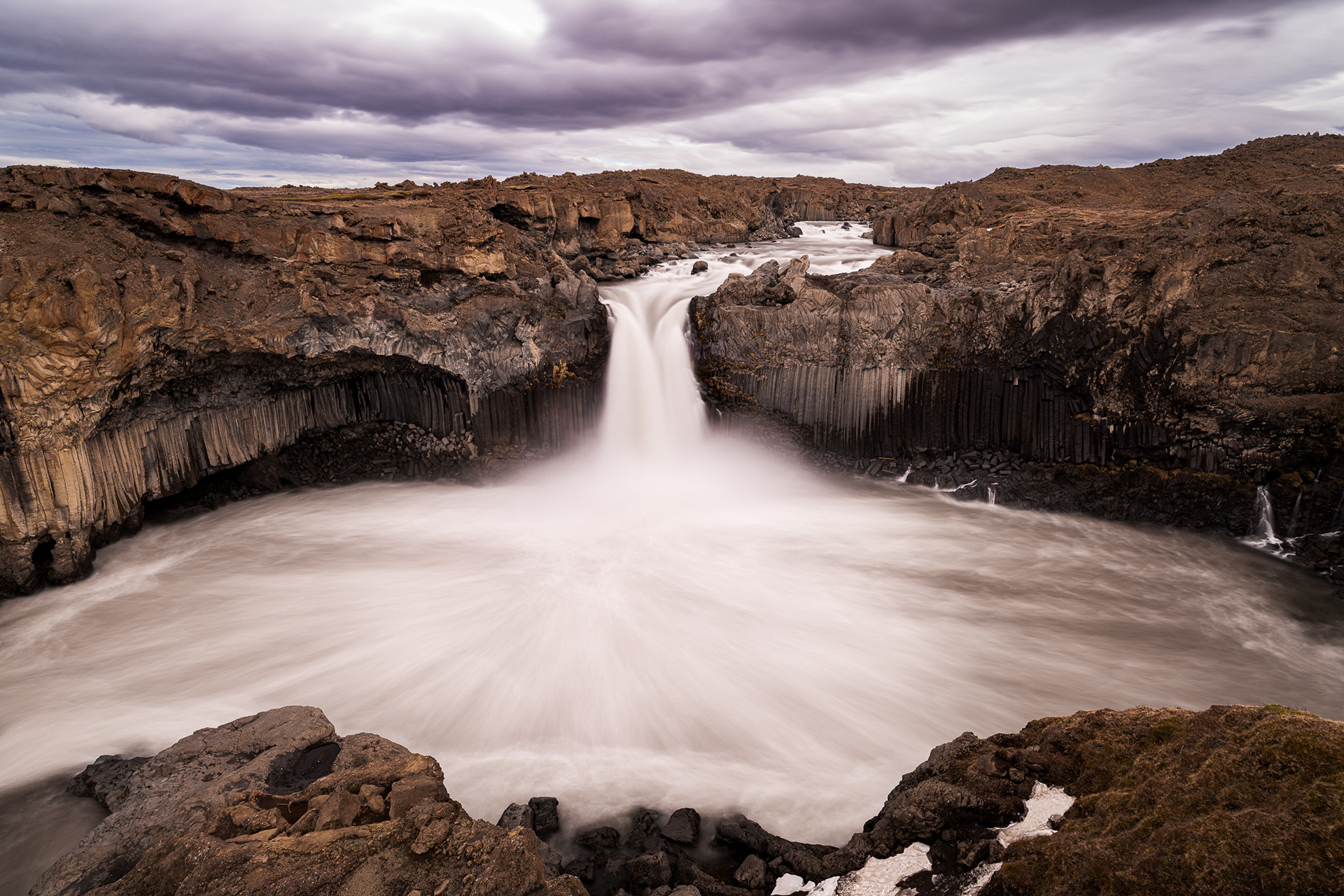
Dramatic long exposure of Aldeyjarfoss waterfall in North Iceland, featuring powerful white water framed by symmetrical dark basalt stone columns.
Monoliths and Migration

Engineering the Arctic silence with the Sony A1 and A7CR.
Iceland is a test of equipment and resolve. For an "Action-Documentarian," it presents a unique technical hurdle: how do you switch from the ruthless speed required to track a puffin in flight to the meditative stillness needed to capture the architecture of a thousand-year-old waterfall?
I treated this expedition as a data-mapping exercise. I used the Sony A1 as my high-speed sensor for the migration of the Atlantic Puffins and the Sony A7CR as my high-resolution scalpel for the volcanic monoliths.
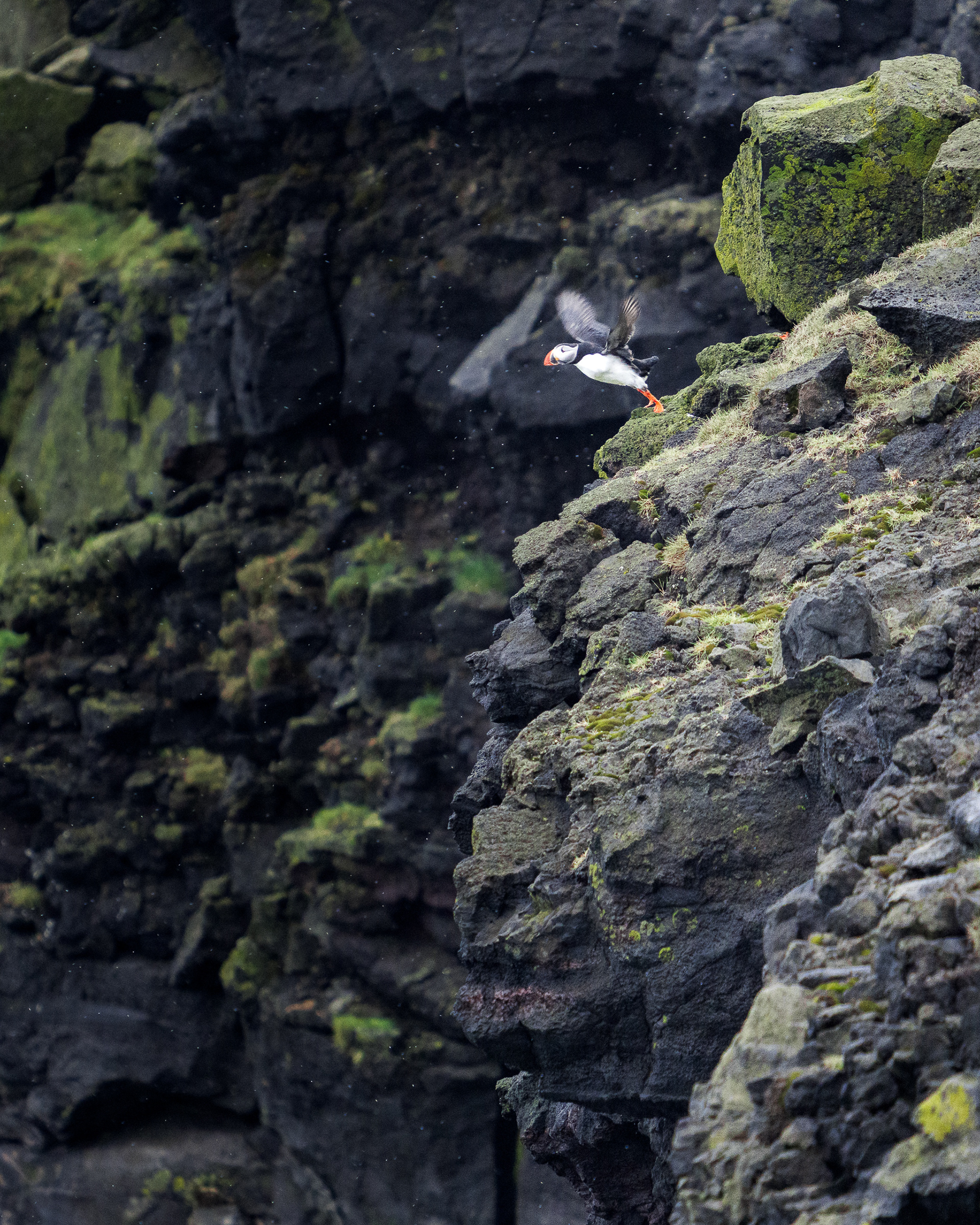
Action photograph of an Atlantic Puffin taking flight from a jagged, moss-covered volcanic rock cliff in Iceland, captured with high-speed shutter.
Latrabjarg Cliffs. Sony A1 + 70-200mm f/2.8 GM II. This is why the A1 exists. Tracking a puffin—a bird that flies at 50mph with erratic wing beats—against dark volcanic rock is a torture test for autofocus. Using Cobalt Neutral, I was able to preserve the delicate highlight data in the white feathers while maintaining the deep, textured shadows of the basalt.​​​​​​​
The Curse of Clinical Perfection
The challenge with 61 megapixels and modern Sony glass is that it can feel too real. Iceland can end up looking like a travel brochure rather than a memory. The raw files are "cold data." To turn that data into art, I needed to recalibrate the sensor’s response to the legendary Icelandic light.​​​​​​​
I didn't want the "Sony yellow" or "Digital blue." I wanted the density and micro-contrast of a classic film era.
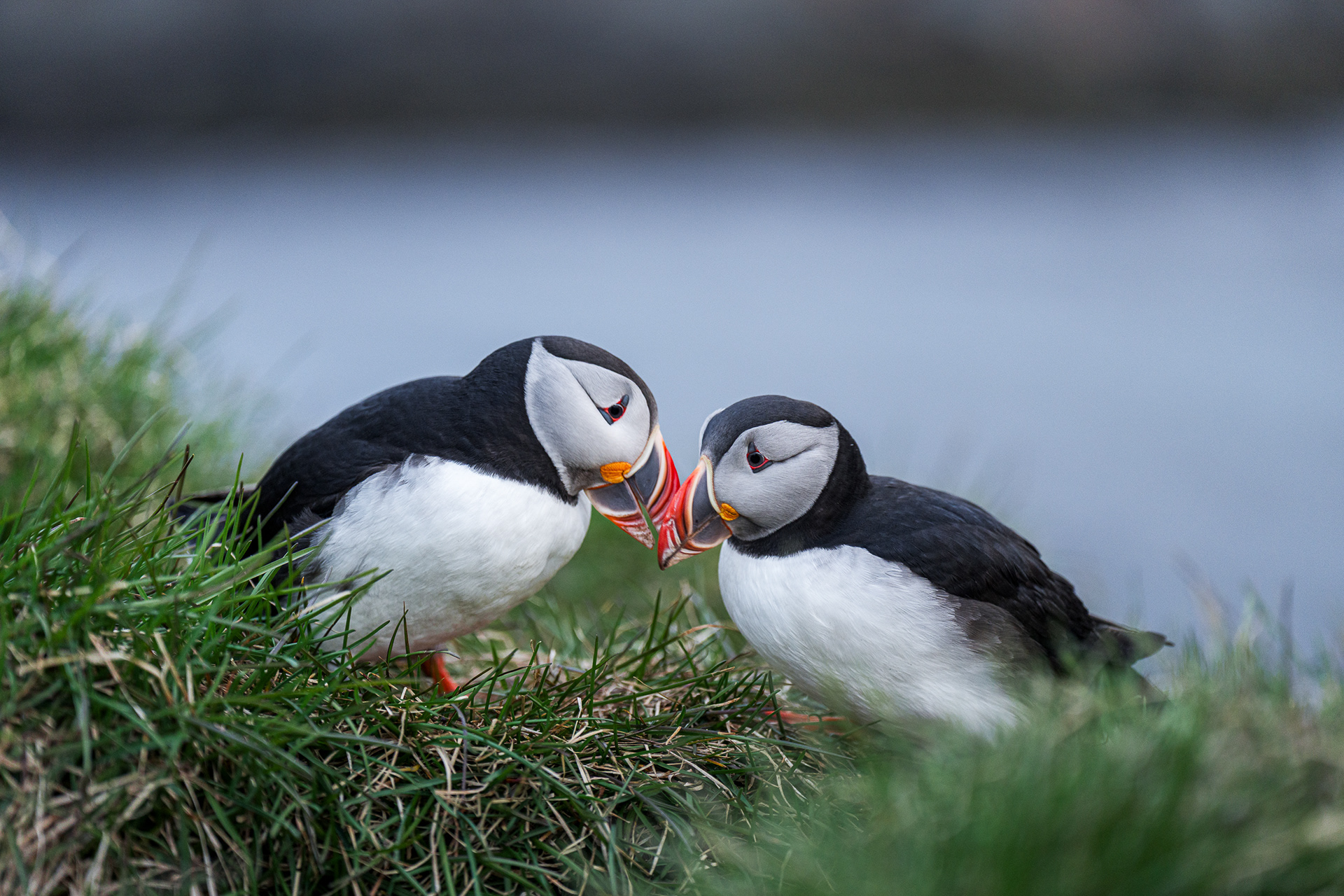
Close-up of a pair of Atlantic Puffins with vibrant orange beaks interacting on a grassy cliff edge in Iceland under soft, diffused light.
The Intimacy of the Wild. Sony A1 + 70-200mm f/2.8 GM II. Processed with Cobalt Neutral. This image represents the "Documentarian" capability of the Sony A1. While the camera is built for speed, the Cobalt Neutral profile allows it to act as a precision recording tool. By starting with a perfectly linear baseline, I was able to preserve the immense textural data in the feathers and the subtle, atmospheric highlights of the Icelandic cliffside. This workflow bypasses standard digital processing "biases," ensuring the organic warmth in the puffins' beaks feels like a memory rather than a raw data point. It feels like a story, not just a shot.​​​​​​​​​​​​​​
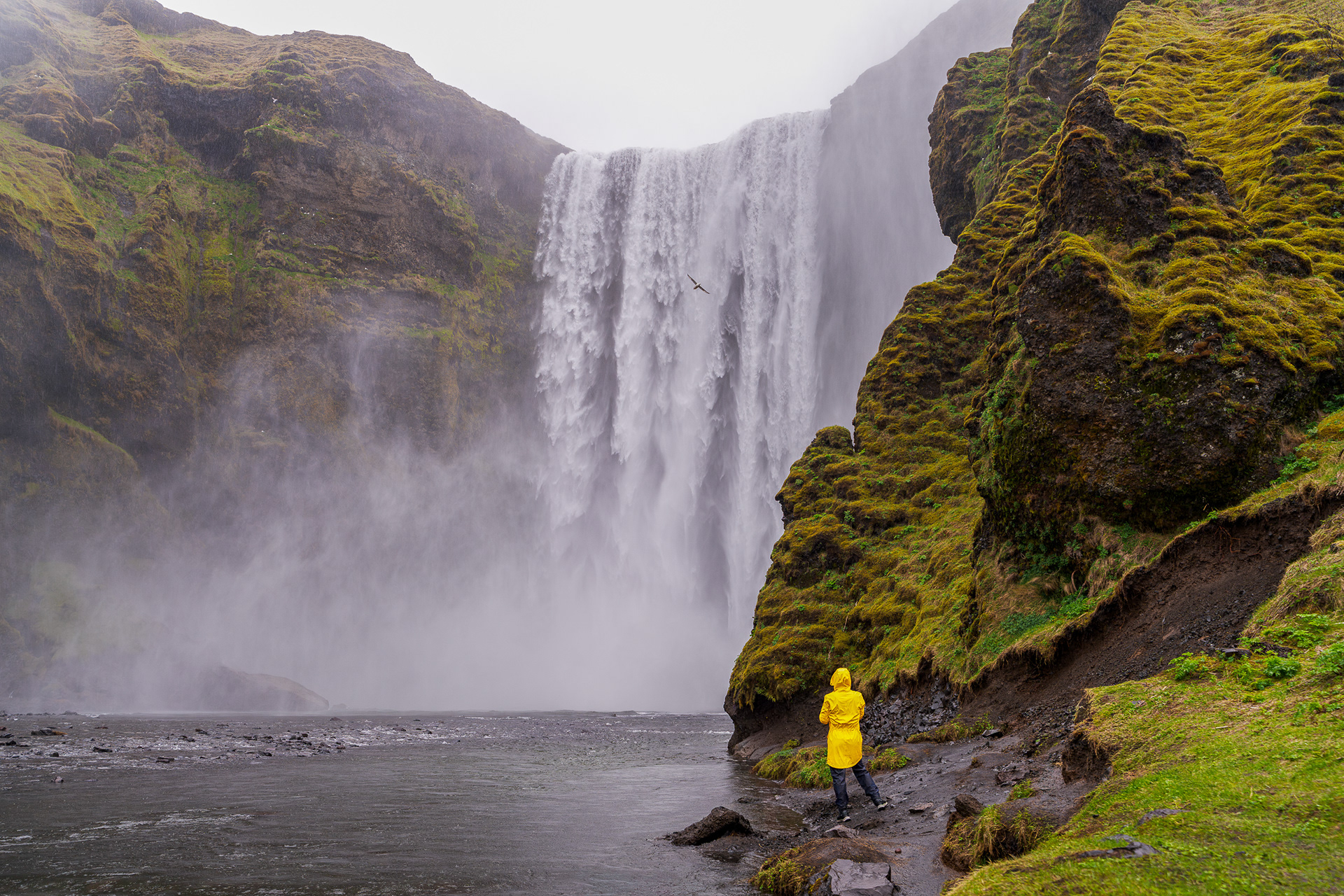
The massive Skógafoss waterfall in Iceland with a small figure in a bright yellow raincoat at the base to show the immense scale of the cliffs and mist.

The Architecture of Mist. Sony A7CR + 16-35mm f/2.8 GM II. Iceland is a study in scale. To document the 60-meter drop of Skógafoss, the A7CR’s 61-megapixel sensor becomes essential. This combination allows for "The Engineer's Crop"—capturing the massive, wide context of the environment with the 16-35mm and then refining the composition in the digital darkroom without losing a single pixel of detail in the spray.
Mapping the Monoliths
Whether it’s the towering mist of Skógafoss or the iconic peak of Kirkjufell, scale is the narrative. The A7CR allows me to remain "invisible" in the field while carrying the resolution of a medium format camera. It allows for an "Engineer's Crop"—capturing the wide context of the Icelandic horses or the coastal arches, then refining the composition in post without losing a single blade of grass.
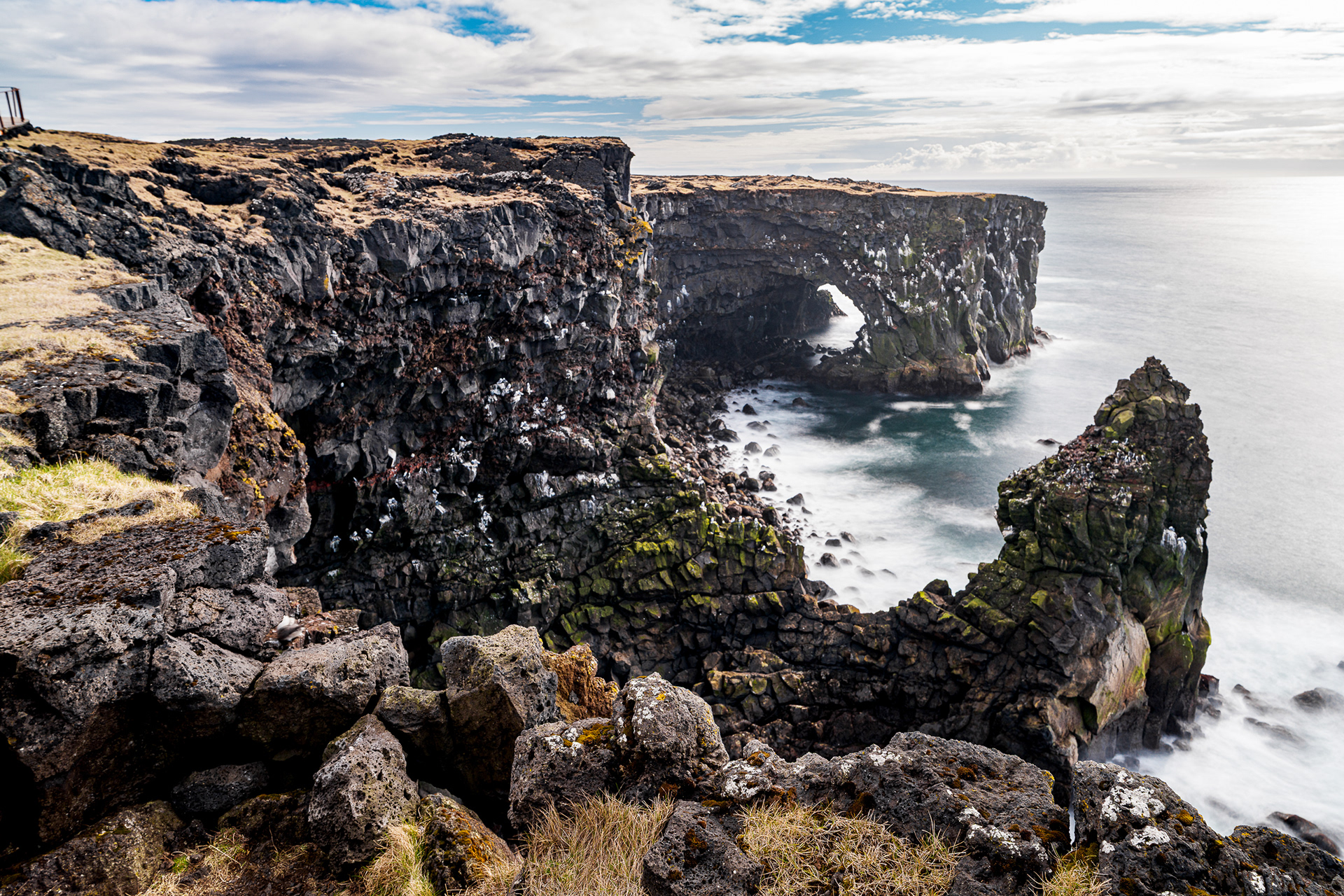
Wide-angle view of a rugged volcanic rock arch and sea stack on the Icelandic coastline, with white waves crashing against the dark basalt cliffs.

Dyrhólaey. Sony A7CR + 16-35mm f/2.8 GM II. This arch stands as a silent monolith of volcanic history. The 16-35mm GM II offered the necessary breadth to document the immense scale of the coastal arch while remaining light enough for a day spent trekking the cliffs. The rendering focuses on the deep tonal contrast between the white surf of the North Atlantic and the dark, textured basalt, preserving the raw intensity of the Icelandic coast in high-resolution detail.
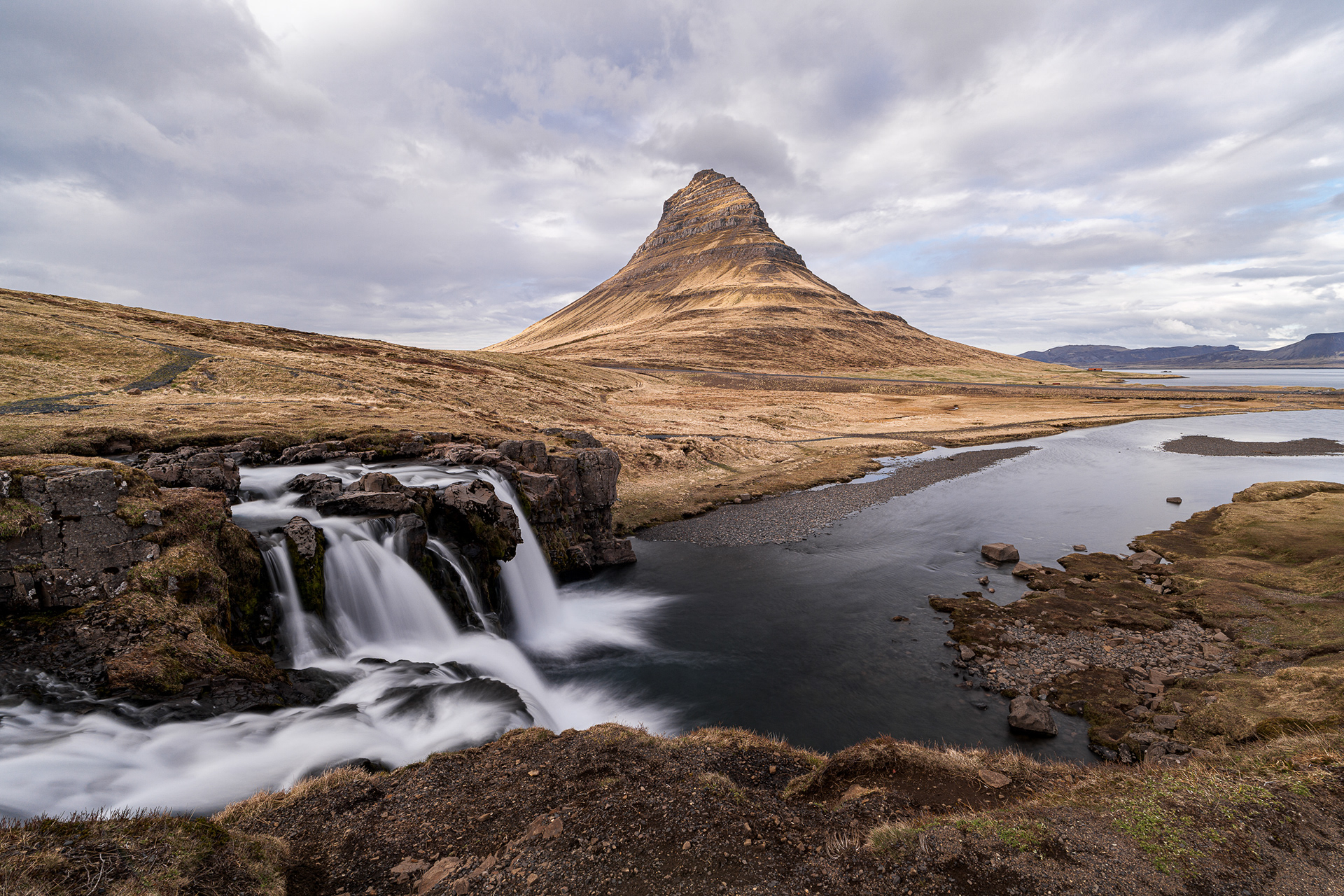
Iconic landscape of the conical Kirkjufell mountain and Kirkjufellsfoss waterfall on the Snaefellsnes Peninsula, Iceland, with a silky water effect.

Kirkjufell. Sony A7CR + 16-35mm f/2.8 GM II. Even at Iceland's most photographed locations, the technical goal remains the same: balance the data. The versatility of the 16-35mm GM II allowed for precise framing of the relationship between the cascading water and the iconic peak. A long exposure here softens the falls into a silk-like texture, providing a serene contrast against the sharp, mathematical geometry of the mountain.
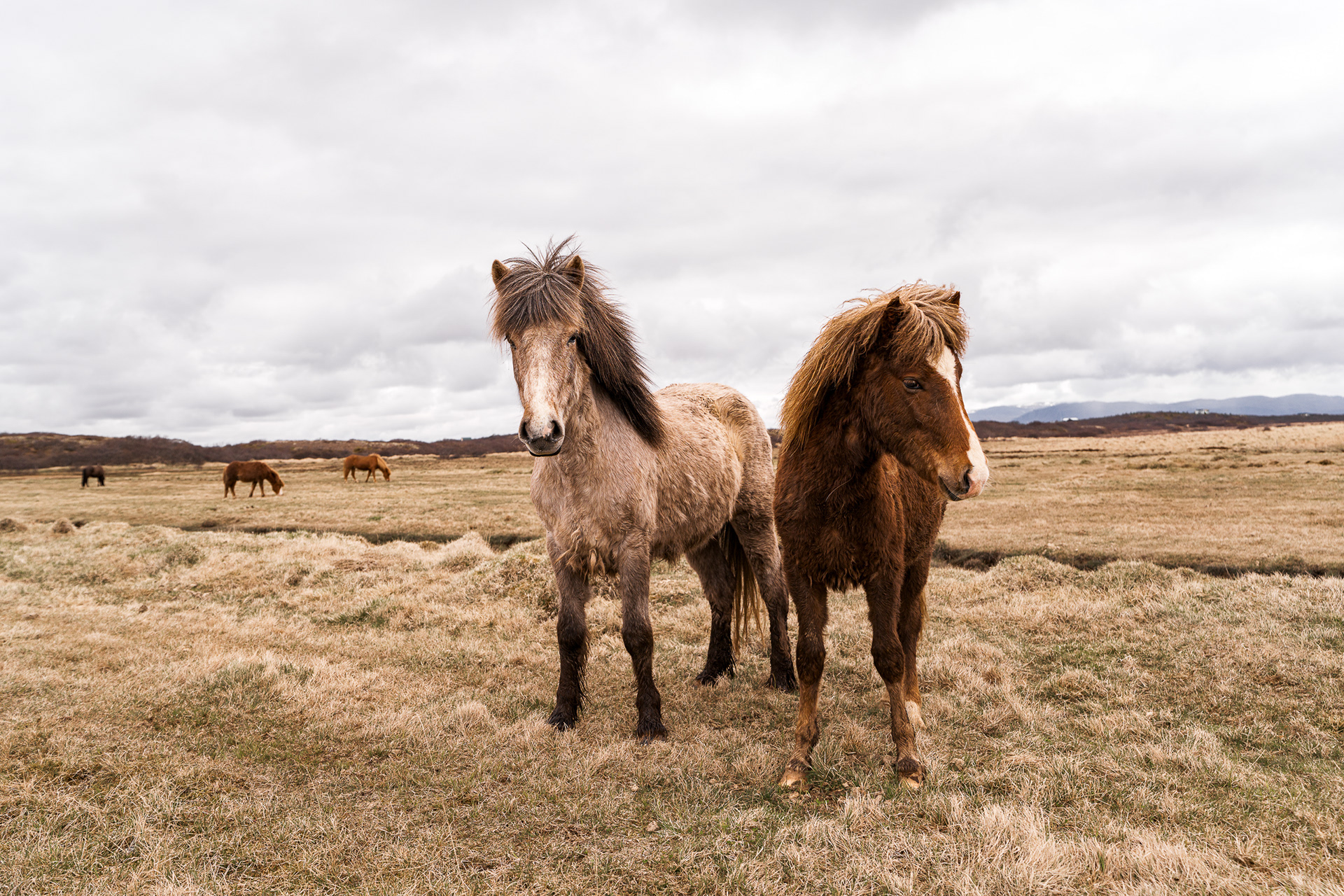
Two Icelandic horses, one light-tan and one chestnut brown, standing together in a vast, dry grassy field under an overcast Icelandic sky.

The Stillness Between Storms. Sony A7CR + 16-35mm GMII. Not every moment in Iceland is chaotic. These horses represent the "Slow Soul" of the expedition. Using a compact 85mm prime on the A7CR creates a barrier-free interaction, documenting the quiet endurance of these animals in their natural habitat.
The Art of the Balanced Kit​​​​​​​
This trip confirmed my "Action-Documentarian" philosophy. You don't need a bag full of lenses; you need a kit that balances speed and soul. The A1 caught the movement; the A7CR caught the feeling. Together, they mapped the sculpted silence of the North.
Joe Ng Photography | Vancouver, BC
Bridging the adrenaline of high-performance sports with the timeless beauty of global travel. Whether utilizing the raw power of the Sony A1 or the minimalist precision of the A7CR, I apply a technical mindset to capture the emotional truth of the world.

You may also like

Back to Top