Fast Glass, Slow Soul
Merging the physics of the Sony A1 with the emotion of Leica color science.
My photography life lives in two different time zones.
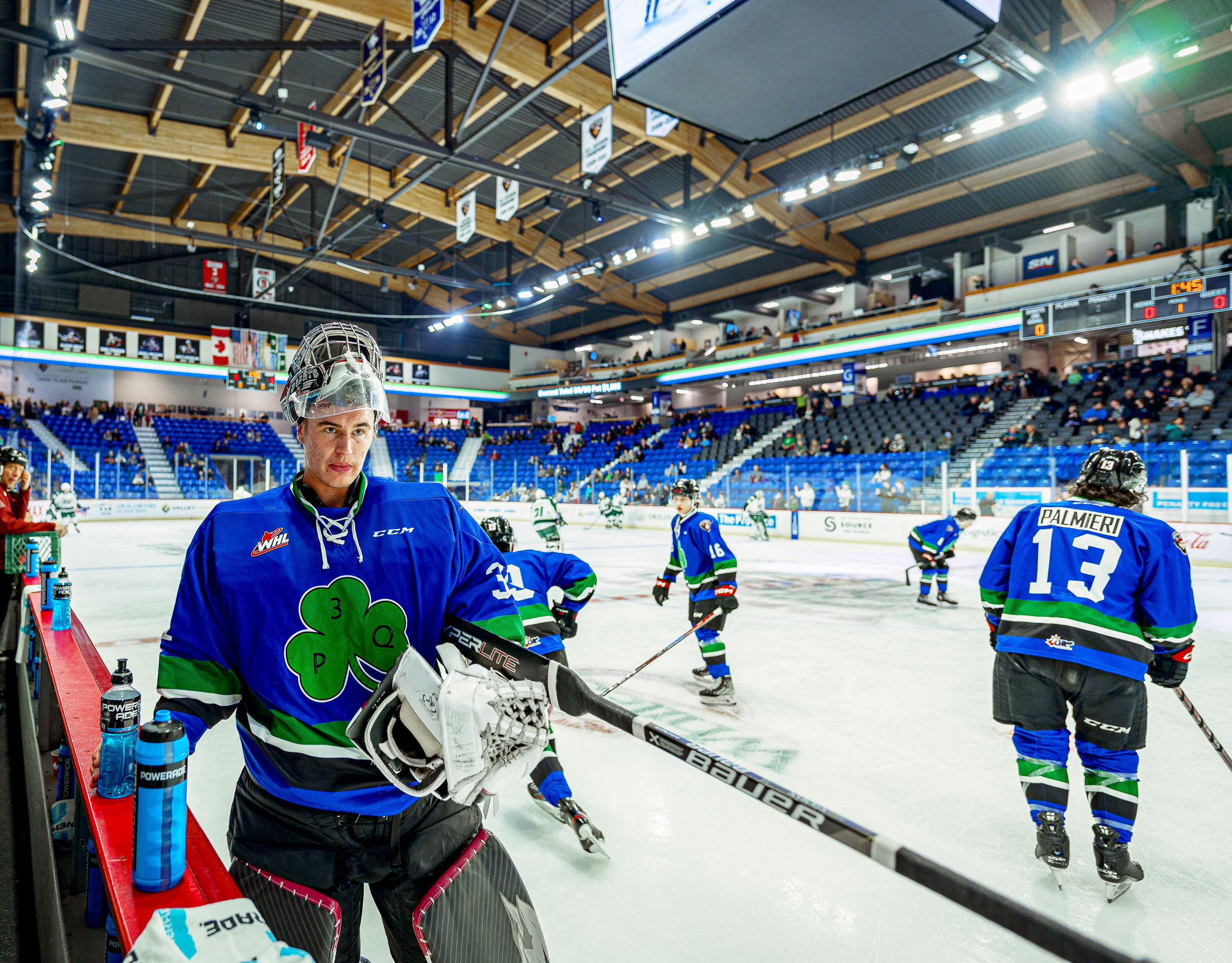
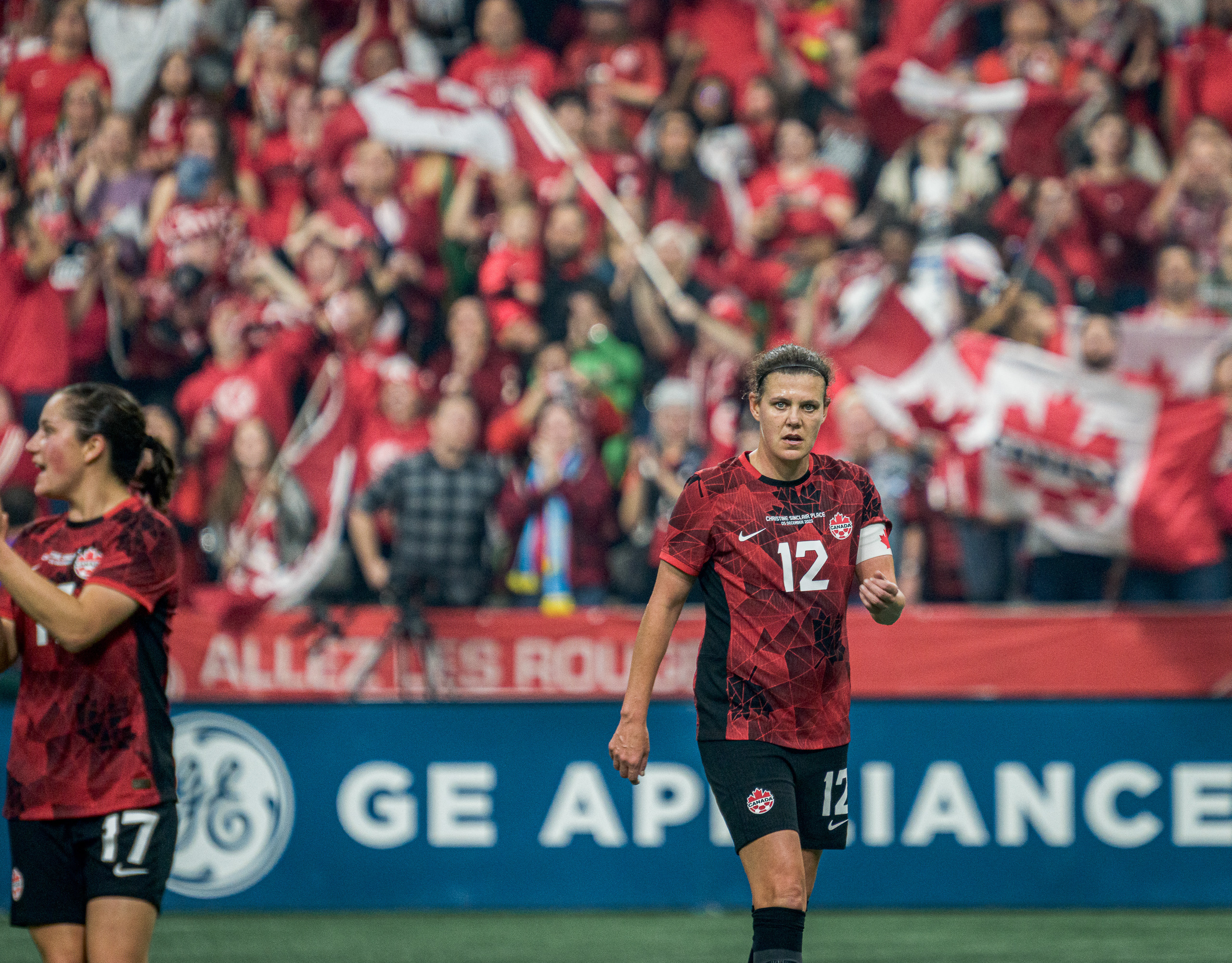
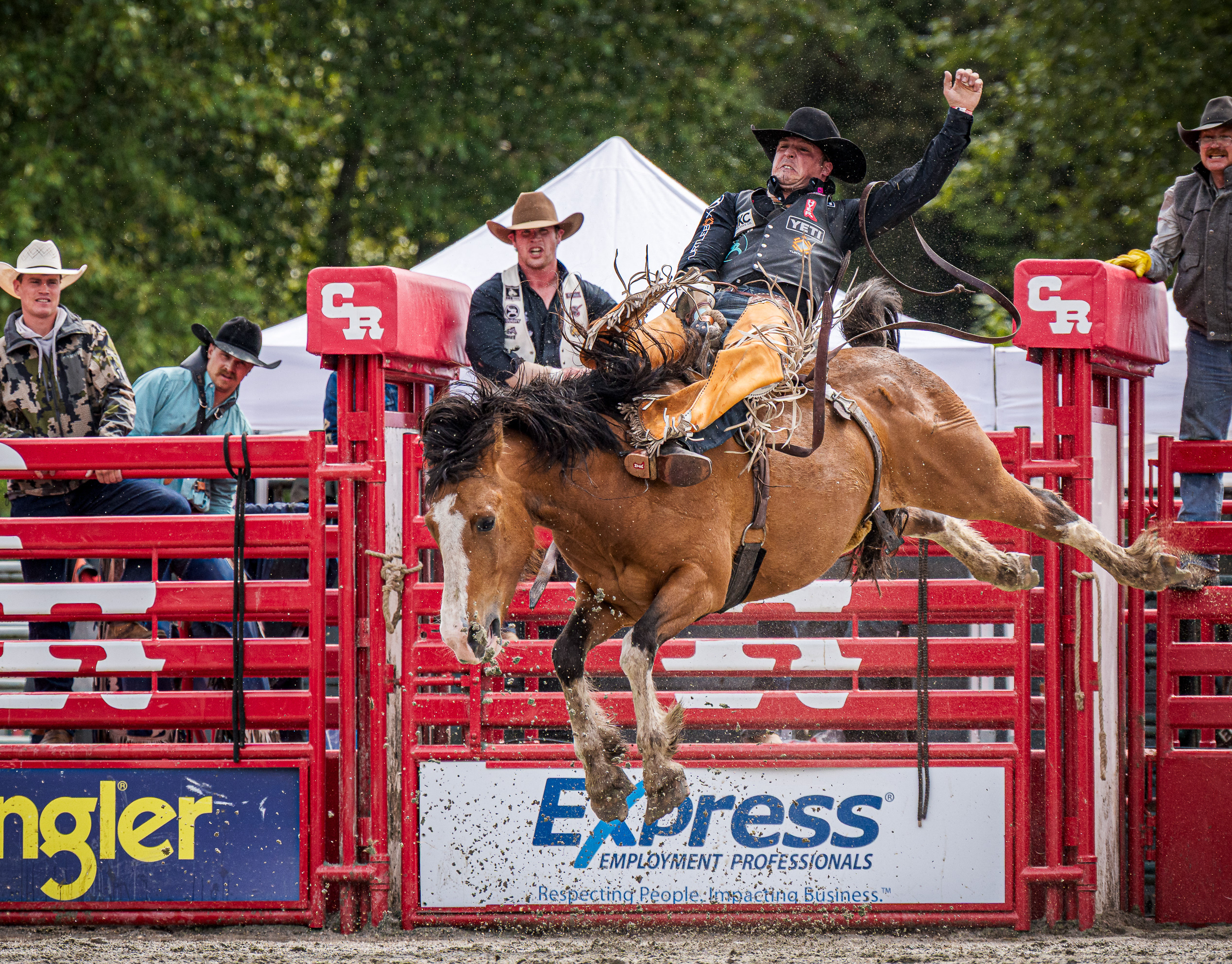
Ten percent of my year is spent in the chaos of the pit—shooting the Vancouver Rugby 7s or the gravity-defying air at Crankworx Whistler. In these environments, I rely on the Sony A1. It is a marvel of physics, capable of tracking eyes through mud and delivering 50 megapixels at 30 frames per second. It appeals to the engineer in me: precise, ruthless, and data-driven.
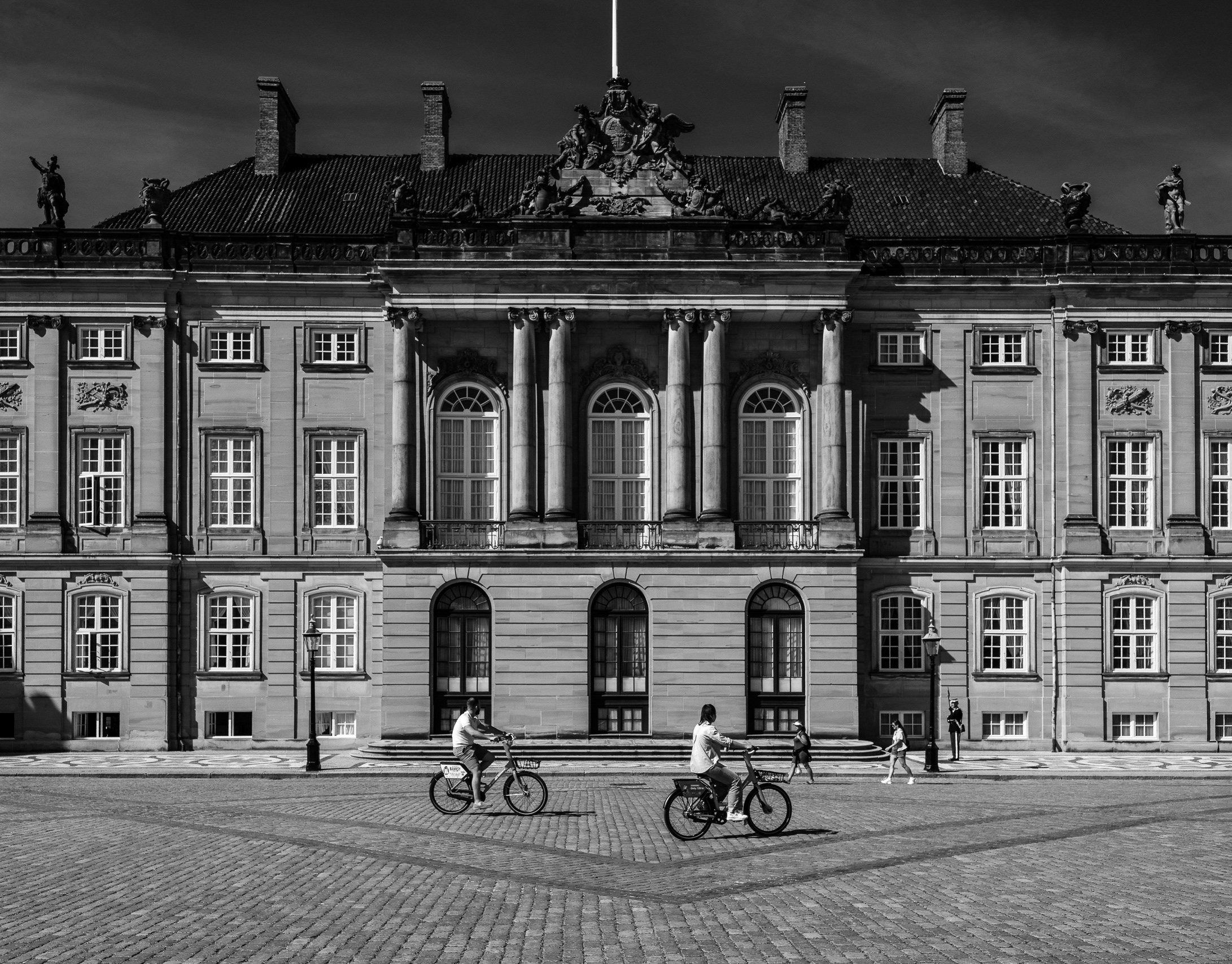
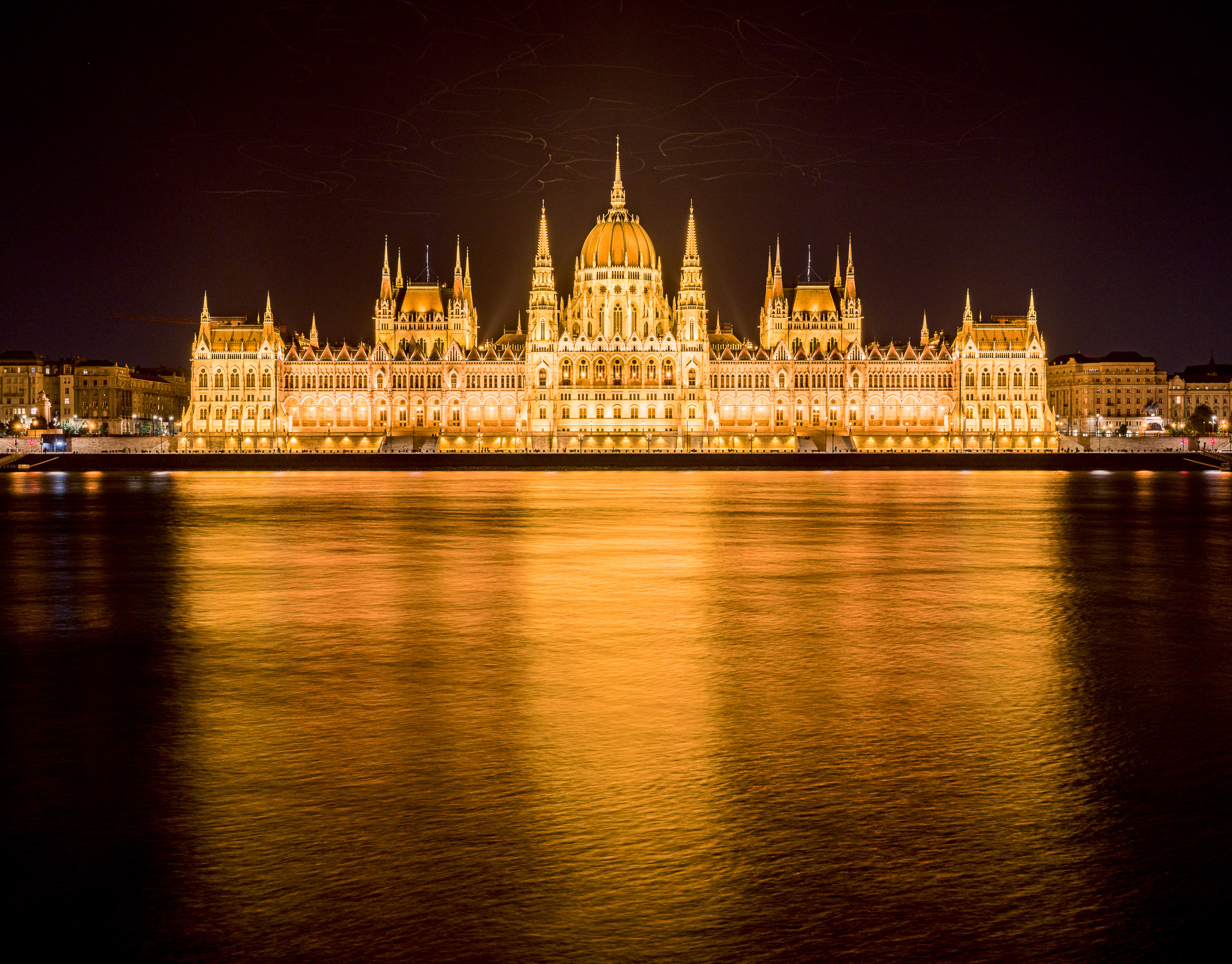
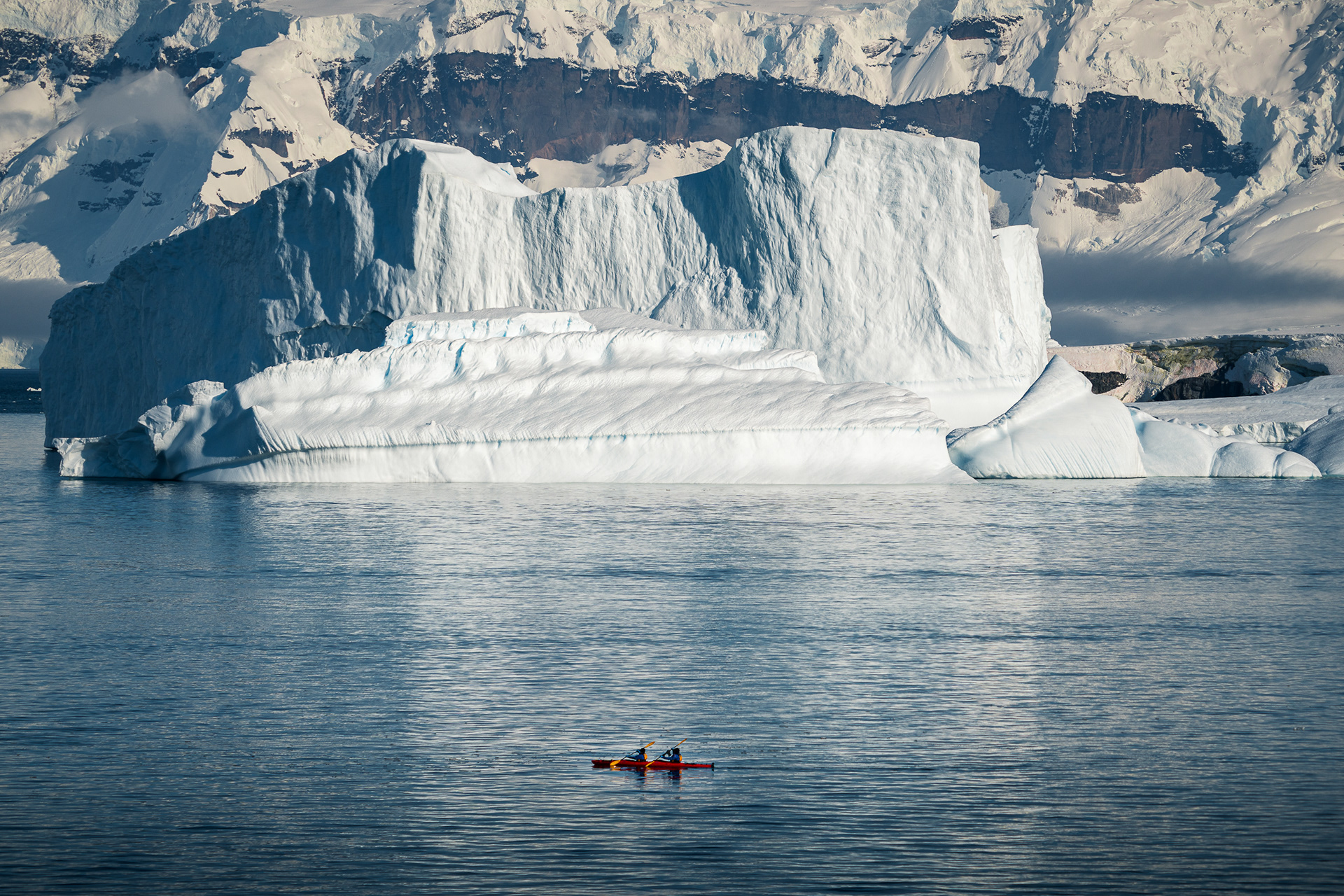
But ninety percent of my time is spent slowing down. I travel to the ends of the earth—from the raw landscapes of Iceland to the icy reaches of Antarctica—to document the quiet, enduring rhythm of the natural world.
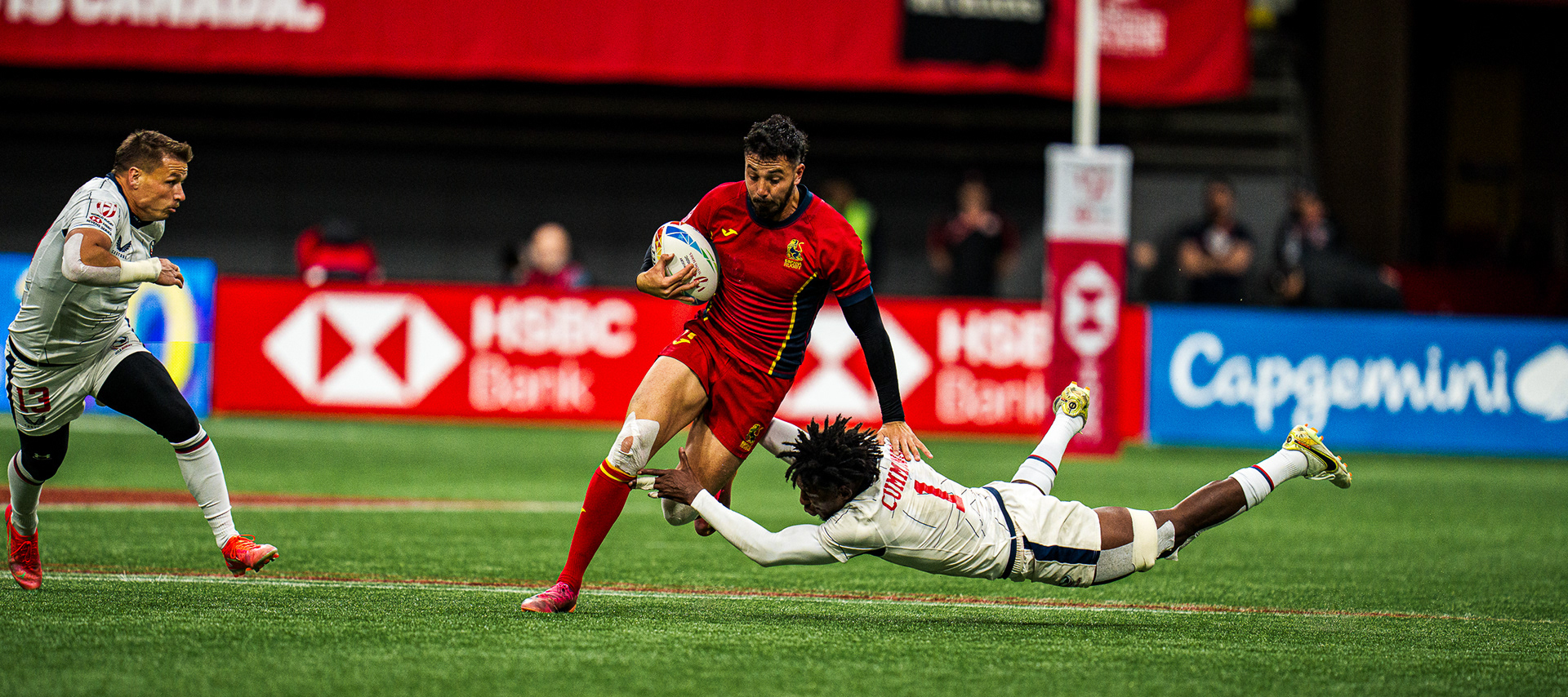
Vancouver Rugby 7s. Sony A1 + 400mm f/2.8. Processed with Cobalt Neutral to retain fabric texture in the high-saturation red channel. This image demonstrates the "ruthless" tracking capability of the stacked sensor, locking focus on the defender's eyes mid-air.
The Problem with "Sports Color"
Here is the issue: The clinical perfection required to verify a rugby try looks sterile when applied to a Patagonian sunrise.
Sony sensors are engineered for accuracy and speed. They prioritize data. But when I am standing before a glacier or a colony of penguins, I don't want "data." I want "feeling." Coming from a background as a Fujifilm X-Photographer, I missed the organic, filmic color science that makes an image feel like a memory rather than a spreadsheet.
My background in Multimedia Systems and IT taught me that digital problems usually have software solutions. I didn't need to switch camera systems; I needed to recalibrate the sensor.
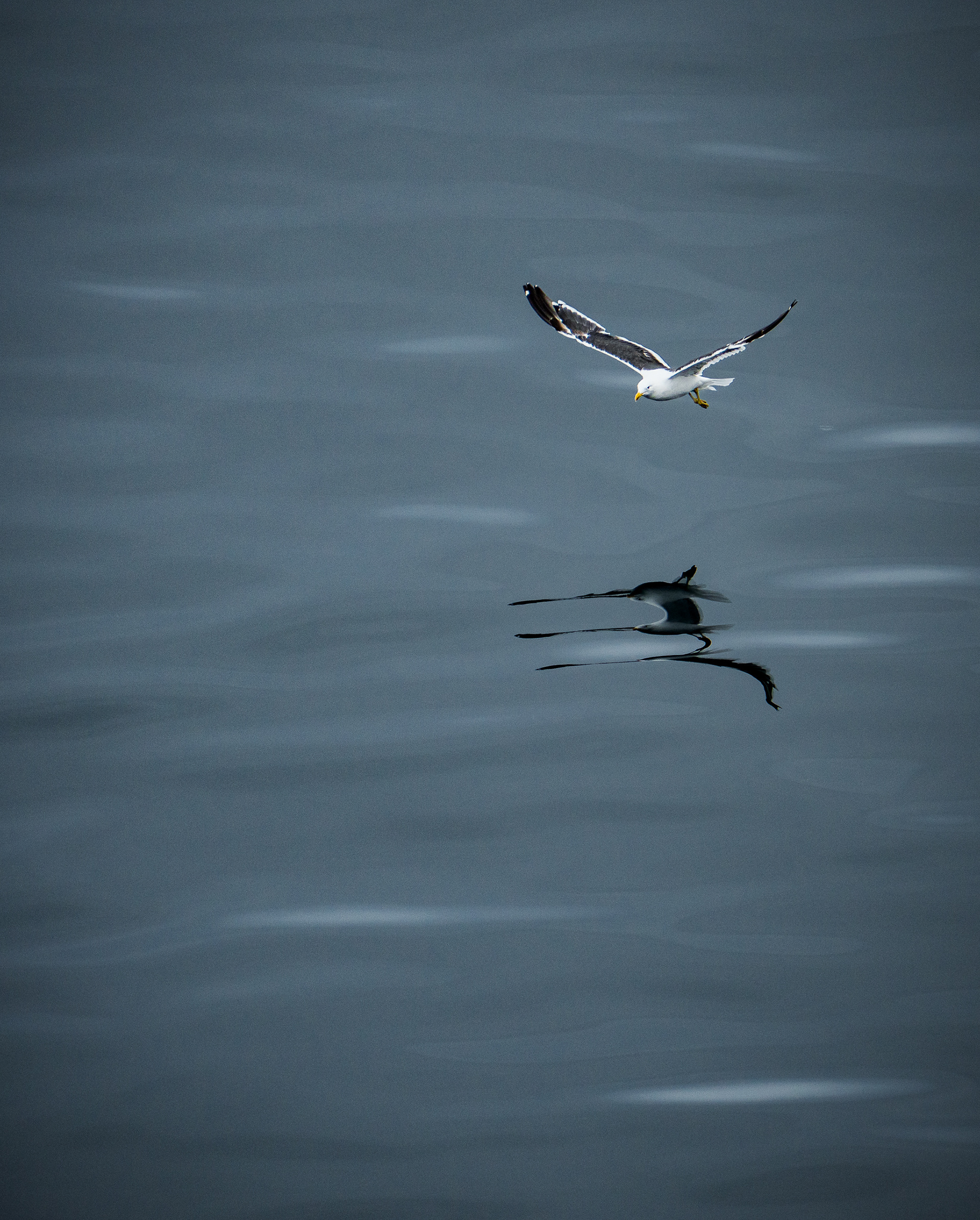
Antartica. Sony A1 + 200-600mm. Processed with Cobalt Leica M10r Emulation. Unlike the rugby shot, which is tuned for accuracy, this image is mapped to the spectral response of a Leica Rangefinder. Note the deep, steel-blue water and the soft highlight rolloff on the feathers.
The Cobalt Bridge
My solution is Cobalt Image Profiles.
By calibrating my Sony A1 with Cobalt’s Leica M10r and Neutral emulations, I essentially get two cameras in one body:
The Sports Beast: When I'm at BC Place, I shoot for speed using Cobalt Neutral. This gives me a linear, flat baseline that prevents bright jerseys from clipping, allowing for maximum detail recovery.
The Travel Artist: When I'm in the field, I switch my pipeline to Cobalt Leica. I map the Sony sensor data to emulate the density and micro-contrast of a classic CCD sensor.
Conclusion
You don't need to be a "Fine Art" photographer to care about color, and you don't need to be a "Sports Photographer" to need speed.
I use the A1 because I refuse to miss the moment—whether it's a tackle at the 7s or a bird in flight over the ocean. And I use Cobalt because once I capture that moment, I want it to be art.
See more of my documentary work at www.joengphotography.com
Joe Ng Photography | Vancouver, BC
Bridging the adrenaline of high-performance sports with the timeless beauty of global travel. A former Fujifilm X-Photographer with a background in Electronic Engineering, I now apply a rigorous technical mindset to the Sony Alpha system.